- calendar_today September 3, 2025
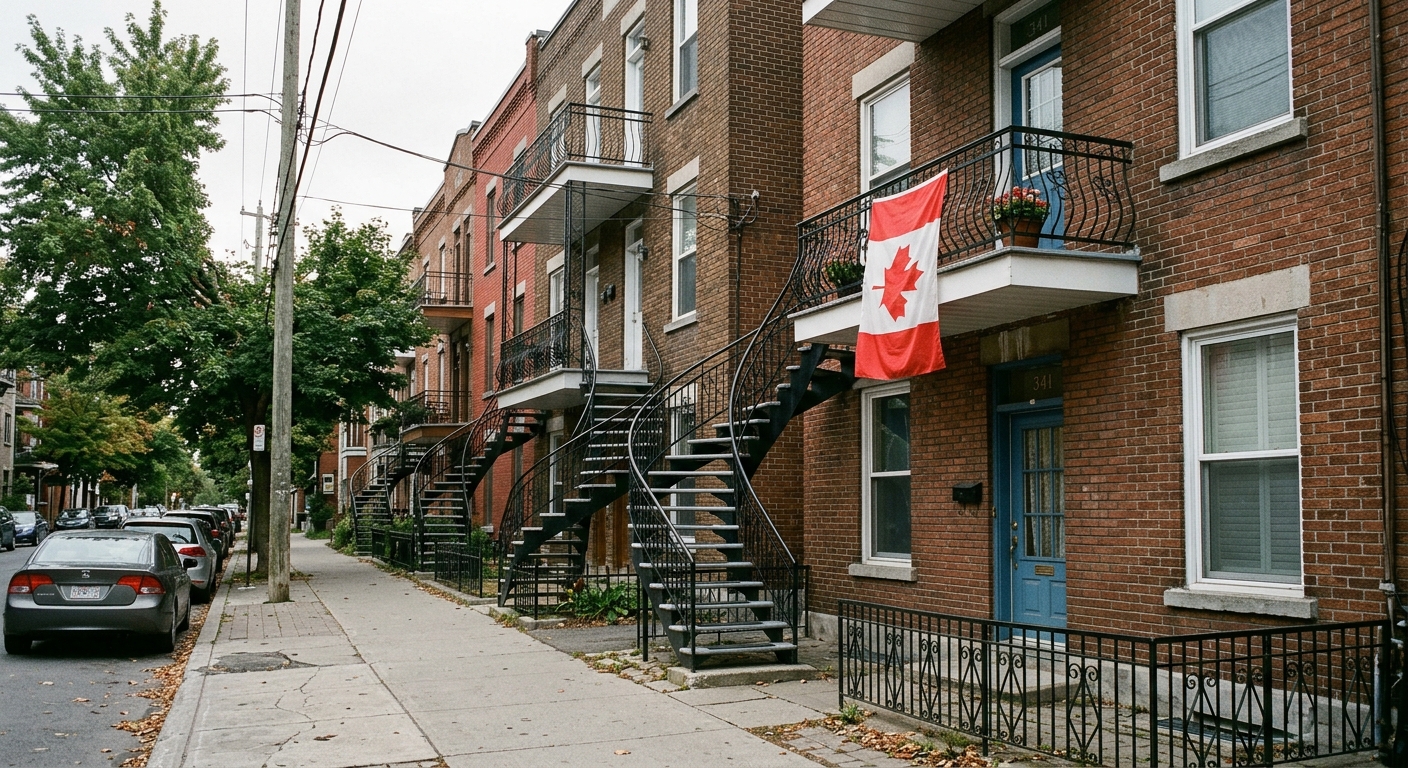
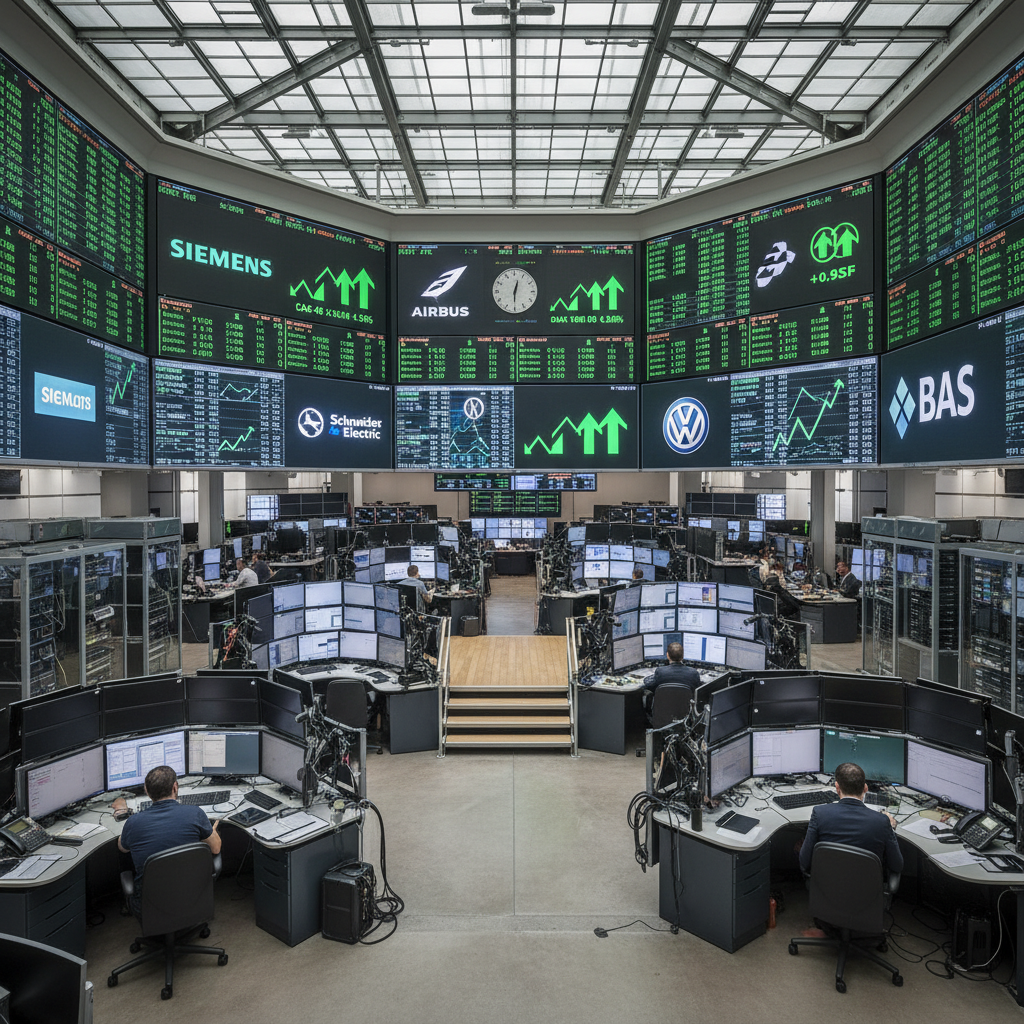
In 2025, Germany’s DAX index is catching the eye of investors in Quebec, not just for its solid performance but for the broader global signals it delivers. Hovering around 19,800 as of July—up more than 17% since January—the DAX is being propelled by gains in tech, export-heavy industrials, and a pivot in European monetary policy.
Unlike the TSX or U.S. indexes like the S&P 500, the DAX provides Quebec-based investors with unique exposure to Europe’s industrial heart—featuring clean energy innovation and multinational engineering leaders. For those in Quebec seeking portfolio diversification beyond North American borders, the DAX acts as a barometer for European economic stability and growth.
German Markets Respond to Monetary Shifts and Rebound Momentum
A key catalyst behind the DAX’s rise is the European Central Bank’s shift in monetary strategy. After a cycle of rate hikes, the ECB began signaling potential rate cuts by early summer, with Eurozone inflation easing to roughly 3%. This move has re-energized capital-intensive sectors like manufacturing and infrastructure.
Germany, which narrowly avoided recession last year, is now showing signs of economic stabilization. Manufacturing data improved in Q2, driven by resilient demand from markets like North America and Asia. For Quebec investors—particularly those involved in sectors such as aerospace (Montreal), clean energy, or export logistics—this rebound offers a glimpse into how European industrial strength may align with local interests.
Top Gainers in 2025: Technology and Industrial Powerhouses Dominate
Several DAX-listed companies are outperforming expectations this year. Siemens, bolstered by growing global demand for smart manufacturing and sustainable infrastructure, remains a top performer. Meanwhile, SAP continues to report robust growth in its cloud services division, cementing its role as Europe’s tech juggernaut.
Auto manufacturers Volkswagen and BMW have also posted strong results, fueled by international demand and investment in electric vehicles. In financials, both Allianz and Deutsche Bank are holding up well, supported by stable lending and conservative risk profiles.
Quebec-based investors exposed to global ETFs or ADRs have likely seen these names deliver solid returns in the first half of 2025, reinforcing the case for broader international allocation.
Consumer and Health Sectors Face Pressures
Despite the optimism, not every DAX sector is surging. Consumer discretionary stocks like Zalando have lagged due to tepid consumer sentiment across Europe. Adidas, while still a globally recognized brand, faces margin compression in its domestic market and remains below pre-pandemic levels.
Pharmaceutical players like Bayer are under pressure from ongoing litigation and a weak drug development pipeline. These headwinds have weighed on the broader healthcare sector, adding a layer of caution for investors looking at defensive plays within Europe.
What the DAX Says About Global Market Health
For Quebec investors with international exposure, the DAX is more than a European index—it’s a forward-looking indicator of global trade, manufacturing vitality, and investor sentiment.
Germany’s economic performance is often mirrored across the Eurozone, and the DAX’s moves are closely linked to shifts in global equity markets. For example, a strong DAX typically suggests robust demand across sectors like energy, materials, and machinery—areas where Quebec’s economy also maintains significant activity, especially through ports, logistics, and advanced manufacturing.
Second-Half Outlook for the DAX in 2025
Analysts remain cautiously optimistic for the remainder of 2025. If the ECB follows through on expected rate cuts and Germany’s economic growth remains on track—projected between 0.5% and 1.2%—then DAX-listed firms could continue to post earnings growth.
External risks—such as fluctuations in energy prices, U.S.–EU trade policy, and geopolitical developments—may still influence the pace of growth. Nonetheless, key sectors like tech and renewables are expected to maintain momentum.
Should the DAX surpass the psychological 20,000 mark, it would signal not only investor confidence in Germany but broader belief in Eurozone economic resilience.
How Quebec Investors Are Engaging with German Equities
Interest in European equities among Quebecois investors is rising, particularly as Canadian and U.S. markets face valuation pressures. German stocks, often trading at more modest multiples, are seen as attractive from a value and diversification standpoint.
Index-based ETFs and ADRs make investing in top DAX performers accessible even for retail investors. And with the Canadian dollar maintaining reasonable strength against the euro, currency exchange has not been a deterrent. Financial planners across Quebec are recommending exposure to international blue chips as part of a balanced portfolio heading into the second half of the year.
For Quebec’s investment community—especially in urban centers like Montreal and Quebec City—the DAX presents a strategic opportunity to tap into international growth sectors, hedge against North American volatility, and gain insight into global macro trends.
Germany’s DAX: A Global Barometer for Quebec’s International Outlook
Germany’s DAX Share Market in 2025 is more than a foreign stock index—it’s a reflection of shifting economic priorities in clean energy, digital infrastructure, and manufacturing innovation.
For Quebec-based investors, closely following DAX performance can provide valuable insight into global economic momentum and help inform strategies that align with international demand cycles. As global capital flows intensify and cross-border trade deepens, understanding movements in Frankfurt is increasingly relevant—even from a vantage point in Canada.
As 2025 progresses, the DAX will remain a key piece of the global investment puzzle. For Quebec investors, it offers both practical opportunity and strategic intelligence in an interconnected market landscape