- calendar_today August 8, 2025
Increasing Costs and Supply Chain Disruptions Are Upsetting Quebec’s Luxury Car Market
Quebec’s luxury automobile industry is facing major setbacks in 2025 as a result of ongoing effects of former U.S. President Donald Trump’s trade tariffs. The policies, which are levying hefty duties on imported cars and automobile parts, are having a ripple effect throughout the province’s luxury car market. Increased costs, supply chain delays, and changing consumer habits are putting significant strain on both manufacturers and dealers operating in Quebec.
Increasing Costs Are Pinching the Market
Trump’s trade tariffs, which were first initiated during his presidency and widened in 2025, are inflating the costs of high-end cars imported from Europe and Asia. Luxury brands such as BMW, Mercedes-Benz, Audi, and Porsche—favorite among Quebec’s high-spending consumers—are being most severely affected by the higher tariffs.
The tariffs increase the price of imported luxury cars by an estimated 15-20%, making them less competitive. For instance, a BMW X7, which used to cost around CAD 120,000, now costs more than CAD 140,000 because of tariff-driven price increases. Montreal and Quebec City dealerships say these increased costs are discouraging prospective buyers and causing new vehicle sales to decline.
Industry experts caution that if these tariffs persist, Quebec’s luxury car industry may suffer long-term consequences as more customers refuse to pay the high prices.
Supply Chain Disruptions Add to the Problem
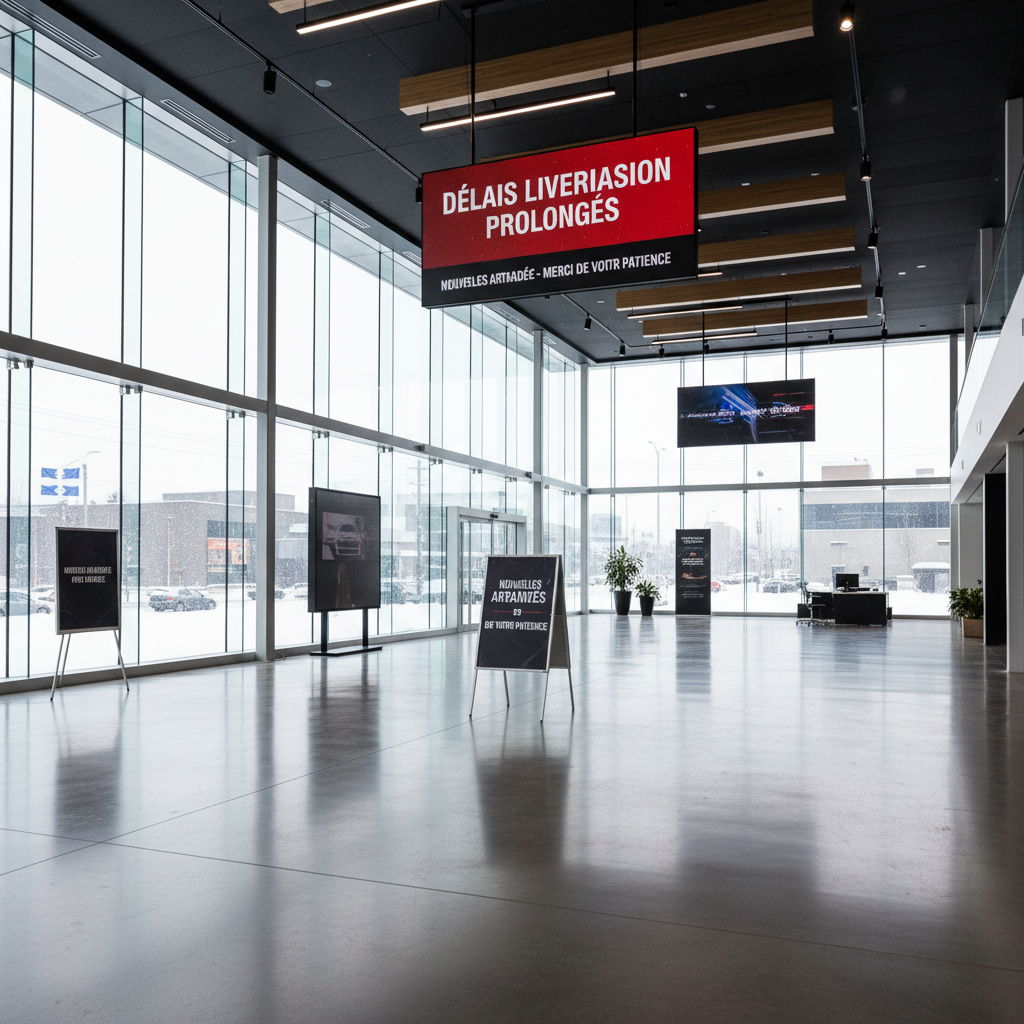
Aside from higher expenses, the supply chain disruptions due to tariffs are also inducing vehicle delays in deliveries. Quebec’s luxury vehicle dealers are finding it difficult to stock their inventory due to manufacturers focusing on larger markets in the U.S. This results in fewer model choices and longer waits for popular vehicles.
Some dealerships in the province indicate that orders for new luxury cars from customers are being postponed by three to six months. Furthermore, replacing spare parts for foreign cars has become a challenge that is both costly and complicated. Such a problem does not just impact new car sales but also increases the cost of maintaining and repairing already-owned luxury cars.
Consumer Behavior Is Shifting
The higher price points and lower availability are leading Quebec consumers to think twice about buying luxury vehicles. Some are postponing new buys, and others are switching to domestic luxury brands such as Cadillac and Lincoln, which are less exposed to Trump’s tariffs.
Used luxury cars are also gaining popularity. Certified pre-owned dealerships have seen a significant surge in demand as buyers look for luxury cars without the added cost of new tariffs.
In addition, the environmentally aware populace of Quebec is opting for luxury electric and hybrid cars. The likes of Tesla, which build cars locally within North America and therefore escape numerous tariffs, are capturing market share. This practice is transforming Quebec’s luxury vehicle market.
Impact on Quebec’s Economy
The luxury automotive sector is critical to the economy of Quebec, supporting local industry, creating jobs, and adding to tax revenue. As the industry suffers the burden of mounting tariffs and supply chain restrictions, these economic benefits are being eroded.
Local economists advise that further pressure on the luxury car market would lead to dealership and service center layoffs. Slowing sales also affect local advertising agencies, logistics firms, and auto finance companies that bank on a robust luxury market.
Dealerships Are Adapting to Survive
To counter these challenges, Quebec luxury auto dealers are getting creative with new strategies to keep customers engaged and their businesses afloat. Some are presenting appealing financing offers to balance out the higher price of purchase, while others are placing bets on digital showrooms to cut through the clutter of sales and lure customers to their sites.
Dealerships are also adding more certified pre-owned inventory and domestic luxury franchises to their lines to reach more customers. These changes are vital to survival as the tariffs keep redefining the market.
The Future of Quebec’s Luxury Auto Sector
The fate of Quebec’s luxury car industry depends on whether Trump’s trade policies will continue to change. If the tariffs are removed or lowered, a recovery in sales and market calm is possible. But if the trade climate stays tense, luxury brands and dealerships will have to adjust to a long-term period of higher expenses and consumer uncertainty.
At present, Quebec’s luxury auto sector is still in a fragile state. Lacking policy reform or meaningful market adjustments, the industry will probably continue to flounder under the burden of mounting costs and shattered supply chains.