- calendar_today August 10, 2025
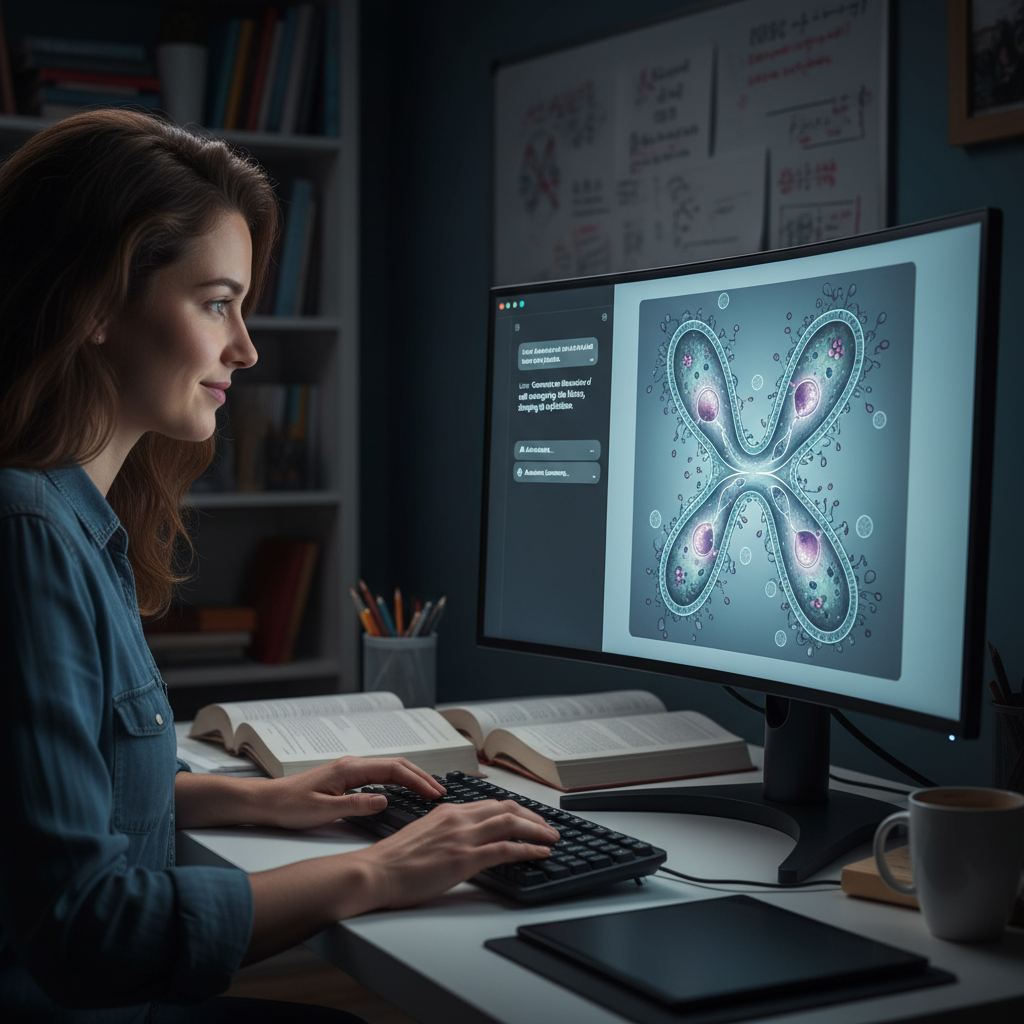
OpenAI introduced “Images in ChatGPT,” an innovative feature that enables ChatGPT users to generate images directly within their interface. The recent GPT-4o model enables users to generate images directly during their conversations, which represents an important development in AI-generated content creation.
All ChatGPT subscription levels now have access to the new functionality, which includes Plus, Pro, Team, and the free version, with the goal of expanding sophisticated image generation capabilities. OpenAI spokesperson Taya Christianson stated free tier users who generate about three images daily face similar restrictions to those of DALL-E 3, but these limits could change based on user demand. The custom GPT remains available to those who enjoy using DALL-E.
OpenAI research lead Gabriel Goh described GPT-4o as a transformative “omnimodal” model that processes text, images, audio, and video data types. The model’s improved “binding” capability stands out as a significant advancement that solves a long-standing problem in AI image generation. GPT-4o has improved its binding ability to manage 15 to 20 objects accurately without confusing their color or shape, while previous models frequently made errors in interpreting object and attribute relationships.
The system demonstrates exceptional performance in text rendering, which stands out as a major advancement. AI-generated images have traditionally exhibited problems with distorted or nonsensical text elements. Goh explained that the development process required numerous months of iterative work to achieve success. Perfect text rendering, especially for small text, continues to pose challenges, but the team has reached a standard of consistency that makes image text reliably functional.
The system differs from popular diffusion model architectures found in image generators because it utilizes an autoregressive method. By producing images through left-to-right and top-to-bottom sequencing, like text generation, this approach is believed to boost text rendering and binding performance.
OpenAI demonstrated multiple uses of their system during their briefing session, which encompassed creating scientific illustrations like Newton’s prism experiment with correct labelings, as well as producing comic strips that featured uniform characters and dialogues, and designing informational posters with precise text. The demonstration included practical examples where the system generated transparent background images suitable for stickers, restaurant menus, and logos.
According to Jackie Shannon, who leads ChatGPT’s multimodal products, the system effectively utilizes extensive world knowledge. She explained that when she draws an image, she works within her skill boundary but also incorporates her comprehensive world knowledge. When you request an image of Newton’s prism experiment from the model, it understands the context without needing any explanation from you.
OpenAI claims that users will find the improved quality and capabilities of image generation worth the extended wait time. Shannon explained that despite needing improvements in latency, the quality of the images and their capabilities, along with world knowledge, compensates for the extra waiting time.
Key Features and Safeguards Implemented by OpenAI:
- Enhanced Binding: GPT-4o maintains accuracy in the relationships of 15 to 20 objects, which helps in reducing confusion between colors and shapes.
- Improved Text Rendering: Precise development produces consistent text rendering in generated images, which solves a major AI problem.
- Autoregressive Approach: By employing a sequential image generation method, the system potentially improves how it manages text and objects.
- Robust Safeguards: OpenAI has put safeguards in place that stop watermark removal while blocking sexual deepfakes and refusing CSAM requests.
- C2PA Metadata: Each generated image contains standard C2PA metadata, which identifies it as created from OpenAI.
- User Ownership: The system allows users to maintain ownership of their generated images under specific usage policy conditions.
OpenAI addressed potential misuse worries by implementing strong protective measures. Shannon stated that while no system works perfectly for this issue, they are constantly enhancing their protection measures and view this as their initial effort. Users maintain ownership rights over all images generated with ChatGPT and can utilize these images freely within our stated usage policies.
OpenAI is advancing its flagship product through “Images in ChatGPT,” which establishes new standards for AI image creation accessibility and power while tackling associated technological risks.