
- calendar_today June 4, 2026
Quebec audiences are encountering a new dimension of backrooms horror as director Kane Parsons delivers a psychological and atmospheric journey that dives deep into the eerie subculture of liminal spaces. Centered on themes of memory, nostalgia, and the subconscious, the film marks a significant addition to Quebec’s evolving cinematic landscape.
Liminal Horror: The Rise of Backrooms
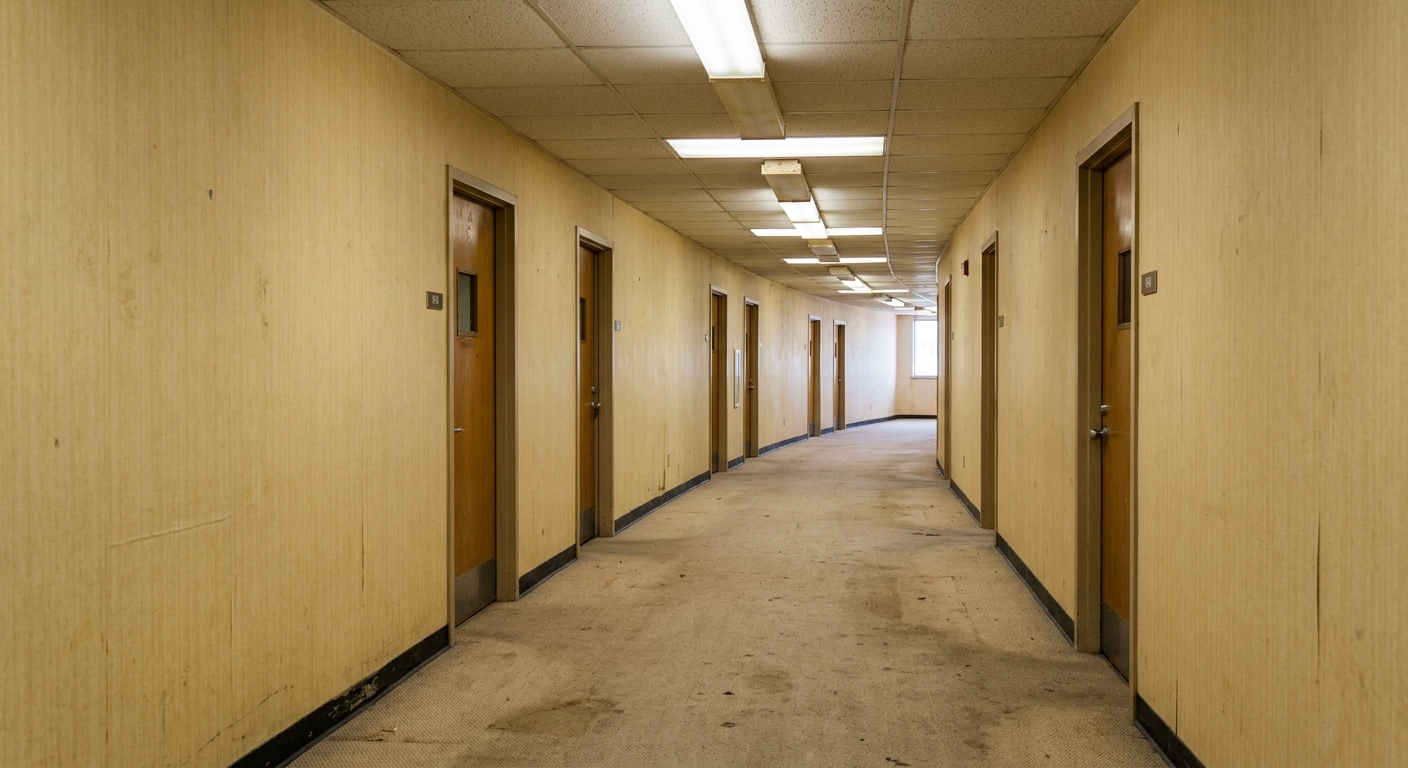
The film is inspired by the Internet phenomenon and liminal horror series that first gained popularity among YouTube filmmakers. In backrooms, viewers are transported into endless, maze-like corridors reminiscent of abandoned office buildings—spaces both familiar and unsettling. The film’s haunting visuals and soundscape evoke a collective sense of unease, mirroring the digital culture’s ongoing fascination with uncanny environments.
Kane Parsons: From Internet Vision to Feature Film
Director Kane Parsons is well known for transforming digital narratives into cinematic experiences. His understanding of the unsettling allure of liminal horror is evident in the film’s meticulously crafted atmosphere. Parsons accentuates the relationship between analogue media—such as VHS tapes—and the fragmented nature of human recollection, tying the film’s form to its psychological themes.
Psyche and Subconscious Spaces
Set in a distinctive 1990s setting, Backrooms follows Clark, a struggling furniture store salesman, whose mental state unravels after personal loss. As Clark and his therapist, Mary, venture deeper into the winding halls, they grapple with repressed memories and haunting fears. The narrative explores how memory and dreams are often indistinguishable from reality, especially within these uncanny and subconscious spaces that appear endless and undefined.
Stellar Performances Elevate the Terror
The film is anchored by standout performances from Renate Reinsve and Chiwetel Ejiofor. Their ability to embody characters caught between reality and hallucination adds emotional gravity to the storyline. Their nuanced portrayals ensure that the horror resonates on a psychological level as much as on a supernatural one.
The Nostalgic Pull of Analogue Media
One of the film’s distinguishing features is its commitment to an analogue media aesthetic. Flickering lights, grainy visuals, and muted color schemes contribute to a sense of authenticity that will strongly appeal to audiences in Quebec with an appreciation for film history. This style underscores the imperfections and gaps inherent in human memory, mirroring how individuals remember—and misremember—their pasts.
Cultural Fascination and Local Relevance
In recent years, there has been a surge in media that explores nostalgia and displaced time. Backrooms taps into this trend, melding global cultural themes with local sensibilities. Quebec cinephiles are likely to recognize how the film’s focus on forgotten spaces and unresolved emotions connects to broader concerns around identity, urban change, and the desire to revisit the past.
A Unique Cinematic Experience for Quebec
At its core, Backrooms is more than just a psychological horror film. It serves as a meditation on the frailty of memory and the limits of perception. With its atmospheric presentation and thought-provoking narrative, the film stands out in the contemporary horror genre. For Quebec audiences, Backrooms offers a rare opportunity to engage with a story that is as intellectually stimulating as it is chilling, ensuring that the eerie allure of backrooms lingers well after the credits roll.