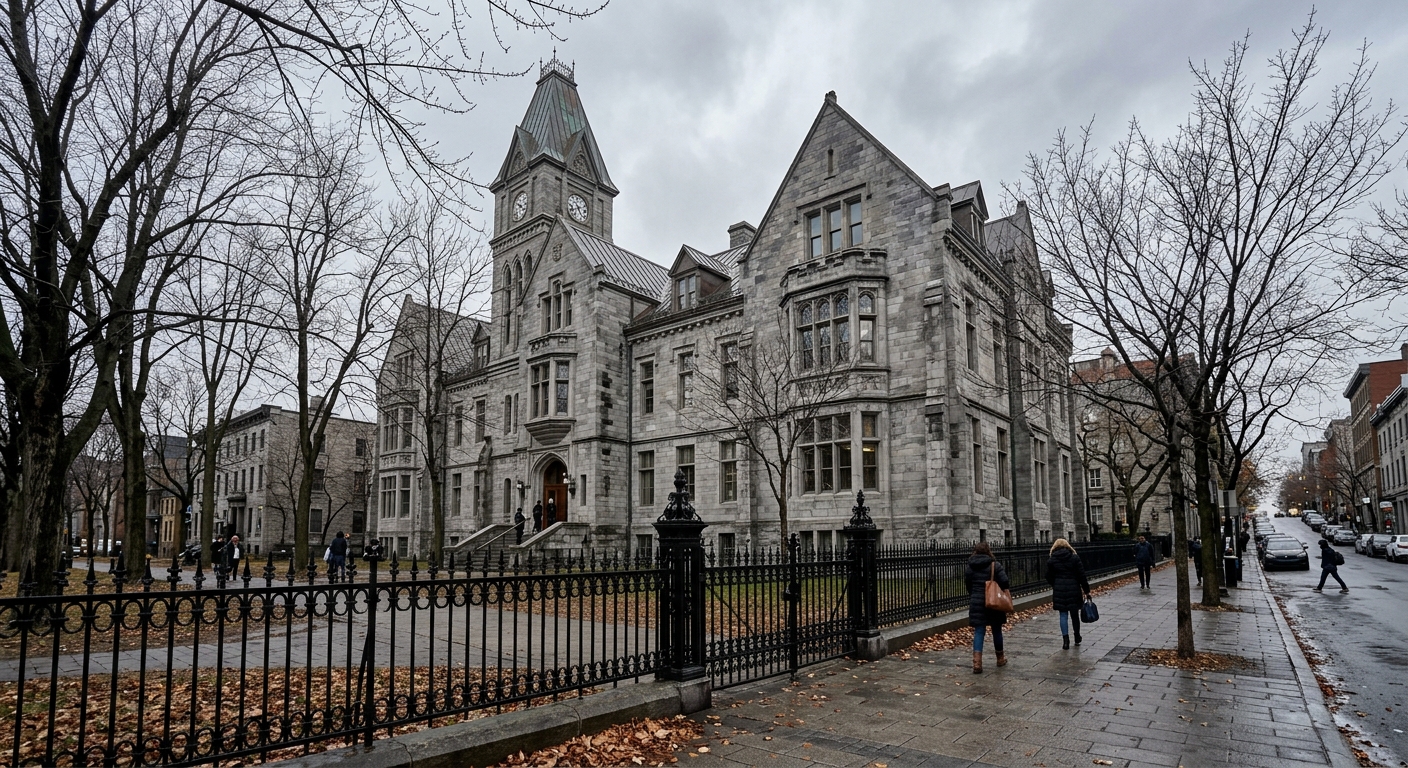
AI-generated illustration; not a photograph of the reported event.
- calendar_today September 25, 2026
Quebec—The debate over bill 101 expansion has become a focal point in the province’s political discourse, as both the Coalition Avenir Québec (CAQ) and Parti Québécois (PQ) set their sights on new language regulations. This contentious issue is prominent in the lead-up to the Quebec election 2026, especially for voters and communities in Montreal and beyond.
Language Policy Proposals Face Scrutiny
The caq proposal and calls from the parti québécois both intend to strengthen Quebec’s French-language laws. Specifically, proposed changes to the Charter of the French Language would make language education pathways more restrictive, impacting thousands of Quebecers. Estimates suggest that more than 27,000 students, largely from the Montreal region, would see their range of education choices diminished by these education restrictions.
Impacts on Anglophone Institutions
Under the planned bill 101 expansion, Quebec’s remaining English-language higher education establishments stand to lose significant enrollment. These changes threaten the long-term viability of important educational resources for montreal anglophones, who represent a key social and economic segment of both Montreal and the wider region. Community leaders in Quebec have voiced concern that restricting access to English education could undercut the diversity and economic vitality of the region.
Christine Fréchette and the Push for Private Healthcare
Beyond language, the campaign led by CAQ’s Christine Fréchette has drawn attention for its push to reform the healthcare system. Fréchette’s plan, reminiscent of approaches taken by Alberta Premier Danielle Smith, includes expanding private healthcare offerings within Quebec. The idea has prompted sharp criticism from opposition parties and healthcare advocates in the region, who warn about increased inequality in access to medical services.
Challenges in Party Identity and Election Strategy
Fréchette’s health and language platforms have faced criticism for lacking distinction from the legacy of françois legault. Efforts to rejuvenate the CAQ’s ideological stance and differentiate its policies have yet to gain significant momentum among voters. Political analysts suggest that, without renewed direction, the CAQ may struggle to address emerging concerns among Quebec citizens, particularly as the province prepares for the quebec election 2026.
Montreal–Quebec City Relationship at a Crossroads
The current political climate comes at a time when strengthening the quebec city relationship with Montreal is seen as critical for social and economic progress. However, the focus on policy divisions—especially around bill 101 expansion and the language of education—risks deepening regional rifts rather than fostering collaboration between the province’s major urban centers.
Sector Reactions and Regional Outlook
Stakeholders from Montreal’s post-secondary sector, local advocacy groups, and regional business associations have all responded with concern over the impact of ongoing education restrictions and the direction of healthcare reform. Many community members worry that a narrowing focus on language politics detracts from more urgent priorities, such as enhancing economic opportunity and supporting inclusive growth across Quebec.
Looking Ahead to 2026 and Beyond
As the campaign season heats up, the fate of Quebec’s language policies and the role of private healthcare are set to play pivotal roles. The region’s voters, particularly those in Montreal and Quebec City, are poised to shape the province’s future direction on issues of linguistic diversity, education choice, and public services. With bill 101 expansion and related proposals dominating the political conversation, the coming months are expected to test the resilience and adaptability of party platforms and the strength of the Quebec electorate’s convictions.