
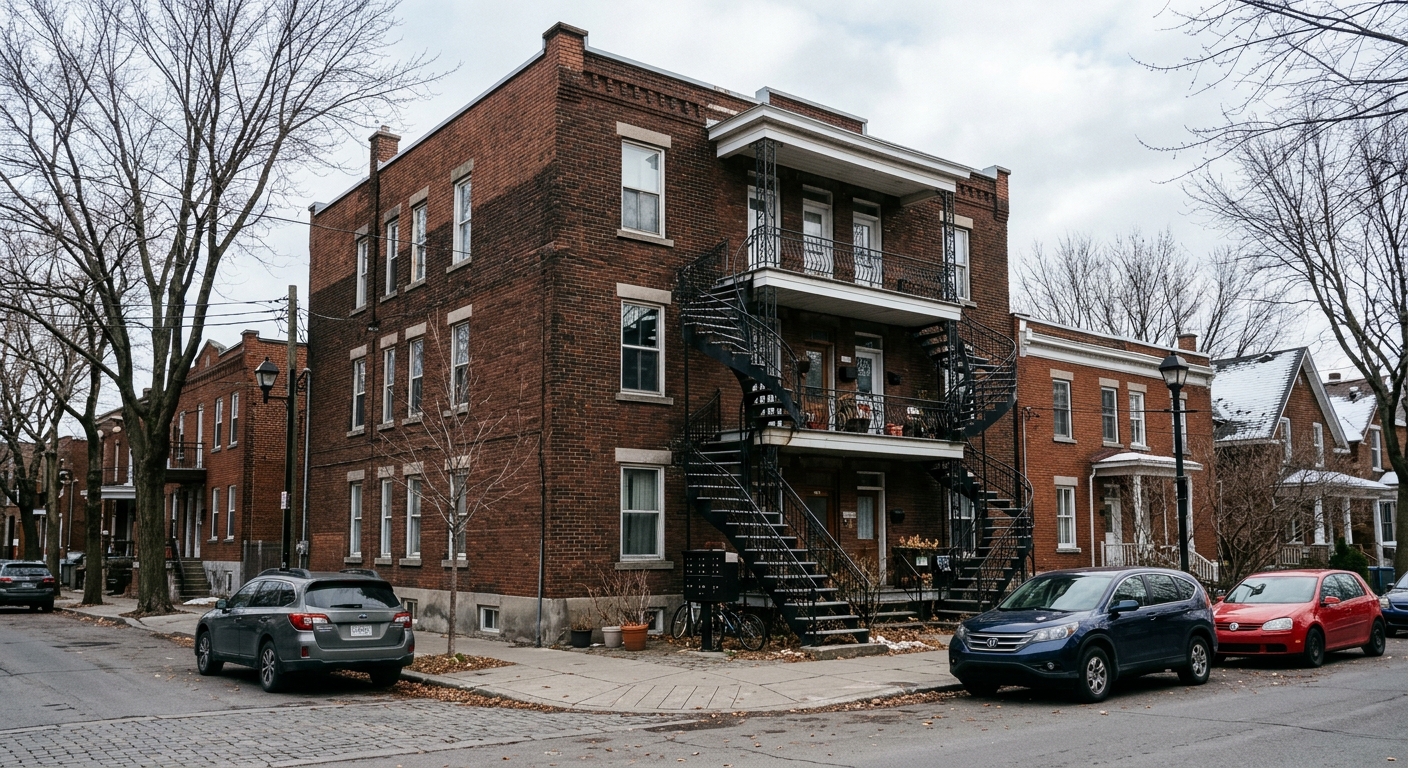
AI-generated illustration; not a photograph of the reported event.
- calendar_today November 6, 2026
New Federal Rules Target Missing Middle and Small Rental Housing
The Canadian federal government has introduced revised mortgage-insurance rules designed to expand financing options for small and so-called “missing middle” rental housing projects. These changes, released on November 6, 2026, aim to make it easier for builders and investors to pursue the construction and purchase of small residential rental properties across the country.
Coverage for Five-to-50-Unit Rental Projects
Under the new framework, eligible rental properties with five to 50 units will be able to access insured financing for a range of transactions, including construction, purchase, refinancing, and renewal. For new construction projects, the maximum loan-to-value (LTV) ratio will be set at 90 per cent, while other eligible transactions—such as refinancing or purchase—will have an LTV cap of 85 per cent.
Amortization limits will differ depending on the type of loan: new construction loans will have a maximum amortization of 50 years, while other eligible loans will be limited to 40 years. These measures are intended to facilitate the creation and maintenance of much-needed mid-sized rental properties, which have often faced barriers to accessing favorable financing terms.
Options for Three-to-Four-Unit Properties
The changes also introduce a separate insurance product for the construction or purchase of new three-to-four-unit rental properties. For these developments, the maximum LTV ratio remains consistent at 90 per cent, with a 30-year maximum amortization period. This provides smaller rental projects with longer repayment terms, potentially increasing their financial viability.
Eligibility, Occupancy, and Application Details
According to the Department of Finance Canada backgrounder, the revised mortgage-insurance rules establish specific requirements for borrowers, creditworthiness, and debt-service coverage. Notably, owner occupancy will not be a requirement for either the five-to-50-unit category or the three-to-four-unit product, broadening access for investors and developers who do not intend to reside in the properties.
These regulatory changes only affect insurance eligibility—they do not constitute guaranteed approval or financing for any particular project. All applications for mortgage insurance under the new rules must be submitted on or after February 1, 2027. Projects or borrowers applying before that date will remain subject to the existing criteria.
Purpose and Anticipated Impact
The revised mortgage-insurance framework is part of a broader federal effort to address challenges in Canada’s rental housing market, particularly the limited availability of small- and mid-sized rental units. By increasing allowable loan-to-value ratios and amortization limits, the government intends to ease the path to construction financing and refinancing options for small rental properties, providing more flexibility for builders and investors.
Sources and Further Information
The Department of Finance Canada provided the official backgrounder outlining these rules, published November 5, 2026. The policy changes are scheduled to take effect beginning February 1, 2027.
Featured image: Illustrative modern apartment housing (not a financed project), by Isaac Quesada via Unsplash.
Source: westislandblog.com.