
- calendar_today August 16, 2025
Quebec’s Crypto Regulation in 2025: Key Changes
Quebec’s financial regulator has introduced stringent language requirements for cryptocurrency platforms operating in the province. The Autorité des marchés financiers now mandates full French-language interfaces and Quebec-based customer support representatives for all digital asset services. These unique provisions have already prompted several international exchanges to withdraw from the Quebec market rather than bear the additional compliance costs. Meanwhile, Montreal-based platforms report improved engagement with local users despite increased operational expenses.
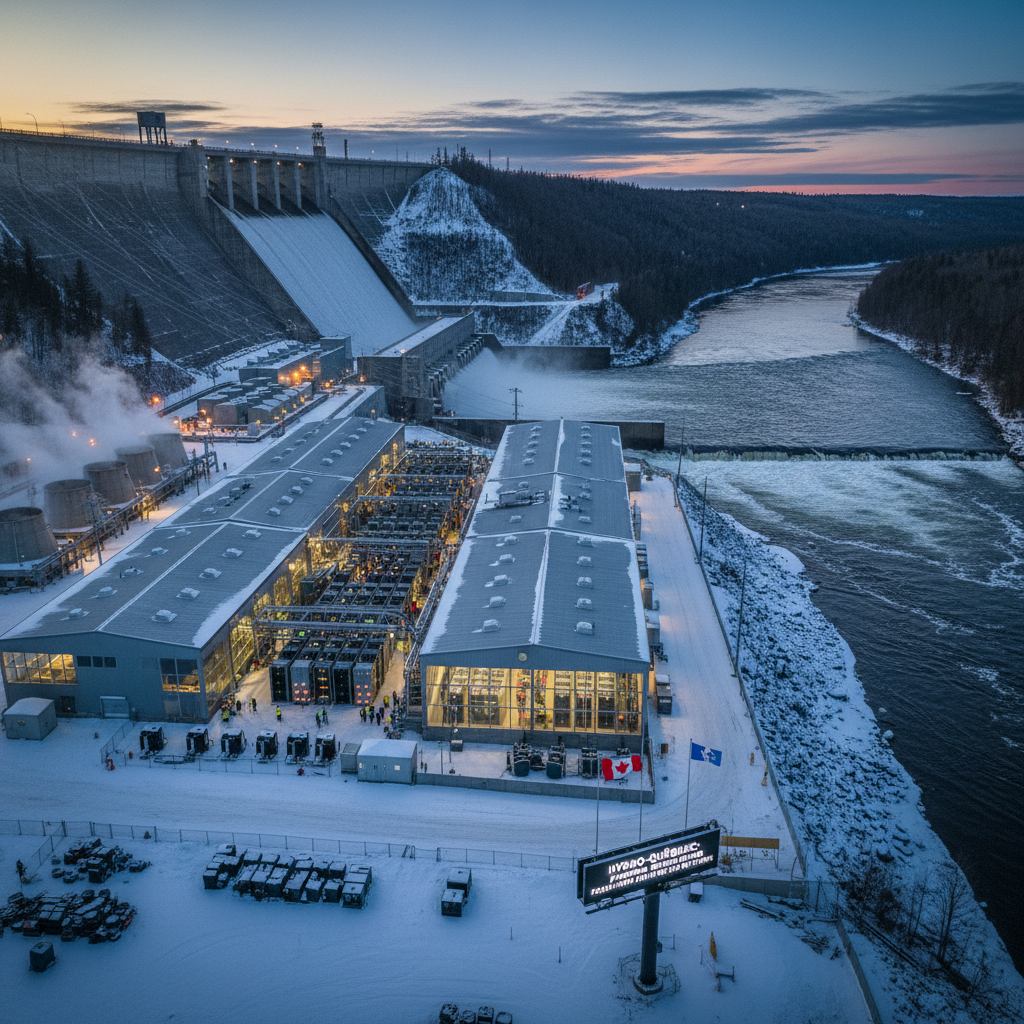
The provincial government has crafted cryptocurrency mining regulations that capitalize on Quebec’s abundant hydroelectric resources. Renewable energy-powered operations receive priority access to power grids and qualify for substantial tax incentives. This approach has attracted major mining companies to regions with surplus hydro capacity, though some industry observers note the policies may disadvantage smaller local startups unable to meet the stringent requirements for “green” certification.
Stablecoin Framework Emphasizes Localism
Quebec’s stablecoin regulations go beyond federal standards with several province-specific provisions. The rules favor Quebec-domiciled reserve custodians and impose additional disclosure requirements tailored for Francophone investors. Montreal-based QCAD has emerged as an early success story under the new regime, securing integration with several provincial credit unions and positioning itself as Quebec’s homegrown stablecoin alternative.
Enhanced Tax Enforcement Measures
Revenu Québec has implemented sophisticated cryptocurrency tracking systems integrated with the existing provincial tax infrastructure. Specialized audit teams now focus on complex digital asset transactions, while French-language educational resources aim to improve compliance among retail investors. Preliminary data indicates these measures have already increased voluntary crypto tax reporting significantly since their implementation.
Fintech Ecosystem Adapts to New Reality
Montreal’s blockchain sector has demonstrated remarkable adaptability in responding to the regulatory changes. Established exchanges have expanded their compliance teams, while local universities have spawned new regulatory technology startups. The ecosystem continues to flourish through increased collaboration between French and English-speaking developers, though some firms report challenges recruiting international talent due to language barriers.
Cultural Priorities Shape Regulatory Approach
Quebec’s cryptocurrency framework reflects the province’s broader commitment to preserving linguistic and cultural identity while participating in global technological innovation. The regulations attempt to balance these sometimes competing priorities by creating pathways for Francophone participation in digital asset markets without isolating the province from broader industry trends.
Implementation Timeline Extends Through 2026
The full impact of Quebec’s regulatory framework will only become apparent as the rules phase in completely over the next eighteen months. Market participants particularly await clarity on how the language requirements will apply to emerging decentralized finance platforms and whether the clean energy incentives will spur additional blockchain infrastructure investment.
Montreal’s Blockchain Hub Status Tested
As the regulations take effect, observers are watching whether Montreal can maintain its position as Canada’s second-largest blockchain hub. The city’s combination of technical talent, academic institutions, and now clear regulatory guidelines could either solidify its standing or potentially see some activity shift to more lightly regulated jurisdictions.
National Implications of Quebec’s Model
Quebec’s approach may influence cryptocurrency policy debates in other provinces seeking to assert local control over digital asset regulation. The framework demonstrates how provincial authorities can tailor federal standards to regional priorities while maintaining overall regulatory alignment.
Future Adjustments Expected
Industry analysts anticipate that Quebec may need to adjust certain aspects of its framework as market conditions evolve. Particular attention focuses on whether the language requirements might be modified for certain types of technical platforms, and how the clean energy incentives will be maintained as demand grows.
The province’s unique approach to cryptocurrency regulation represents both an experiment in local policy-making and a test case for balancing innovation with cultural preservation in the digital asset era. As the rules continue taking effect through 2025 and into 2026, their ultimate success will be measured by Quebec’s ability to foster a thriving blockchain ecosystem while maintaining its distinctive economic and cultural priorities.