- calendar_today August 9, 2025
The renewed escalation of trade tensions between the United States and China in 2025 is creating a ripple effect across global markets—and Quebec’s economy is no exception. With its rich industrial base, robust manufacturing, technology sector, and vibrant agriculture, Quebec is deeply connected to international trade flows and investment networks. This interconnection means that tariffs and trade barriers introduced this year have significant implications for local businesses and investors alike.
The U.S. has implemented sweeping tariffs reaching 54% on a wide range of Chinese goods, including electronics, automotive parts, and industrial machinery. China swiftly countered with retaliatory tariffs on American exports and export restrictions on rare earth minerals crucial to high-tech and green energy industries. These developments have fueled uncertainty and market volatility worldwide, prompting investors in Quebec to reassess their positions.
Quebec’s Economy Under Pressure
Quebec’s economic strength lies in its manufacturing, aerospace, technology, and agricultural sectors—all of which face unique challenges due to the trade escalation.
Manufacturing and Automotive
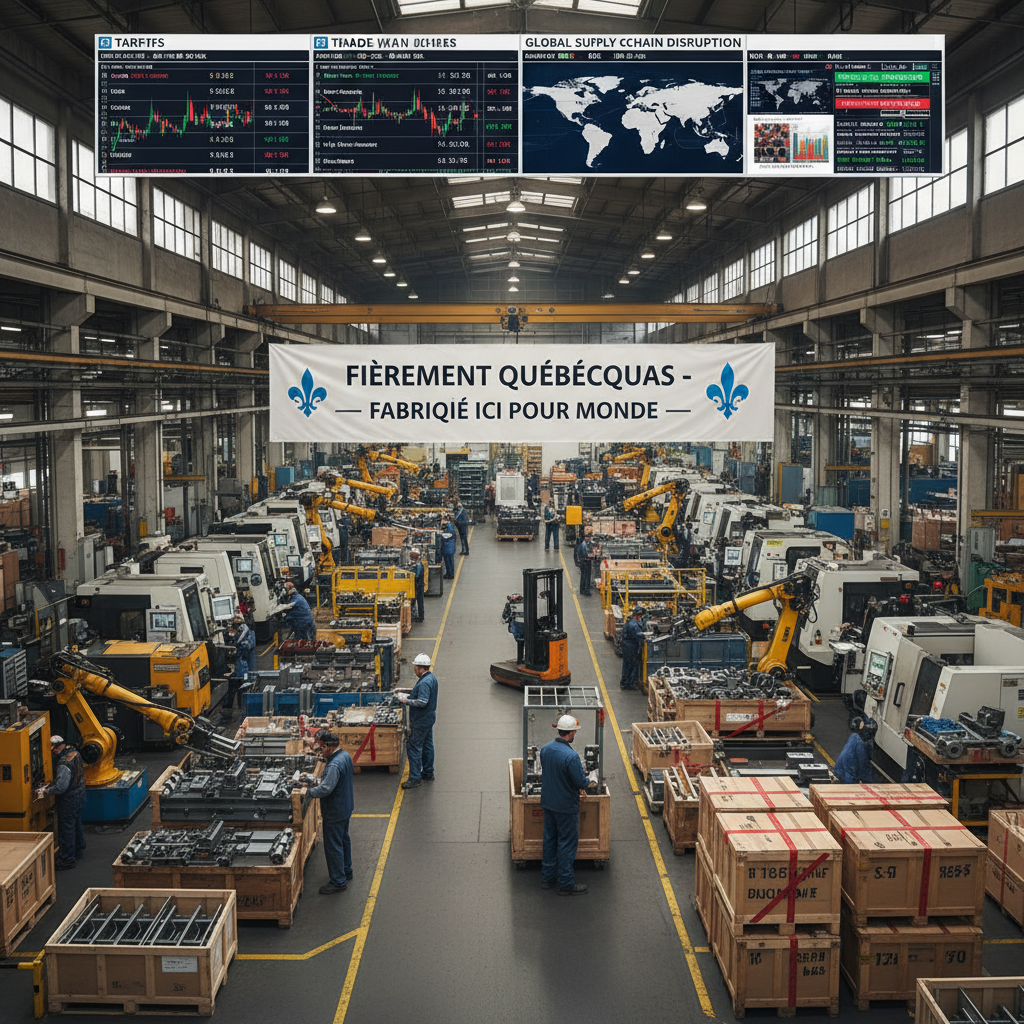
Quebec boasts a significant manufacturing footprint, including an important automotive sector centered around Montreal and surrounding regions. Tariffs on automotive components and machinery are driving up costs and complicating supply chains. Manufacturers reliant on Chinese inputs or exporting to the U.S. face increased risks of delays and reduced profitability.
Aerospace and Technology
Home to major aerospace firms like Bombardier and a burgeoning technology ecosystem, Quebec’s industries rely heavily on access to rare earth minerals and advanced components. China’s export restrictions on these materials threaten to disrupt production and slow innovation in sectors crucial to Quebec’s economic future.
Agriculture and Food Processing
Quebec’s farms produce dairy, maple syrup, and a variety of crops that reach global markets. The imposition of tariffs on U.S. agricultural products by China and the ripple effects on international commodity markets place additional pressure on Quebec’s farmers and food processors, potentially impacting prices and export volumes.
What Quebec Investors Can Do
Faced with this uncertain environment, investors in Quebec should consider several strategic approaches:
- Diversify Across Sectors and Geographies: Reducing exposure to industries heavily reliant on Chinese supply chains or export markets can mitigate risks. Increasing investments in domestic-oriented industries such as healthcare, utilities, and infrastructure may offer greater stability.
- Explore Alternative Asset Classes: Commodities like metals and energy, real estate investment trusts (REITs), and inflation-protected securities can provide valuable hedges against market volatility.
- Monitor Policy and Market Developments Closely: Staying informed about trade negotiations, federal and provincial policy initiatives, and corporate earnings reports is critical for timely portfolio adjustments.
- Focus on Innovation and Reshoring: Investing in companies benefiting from reshoring efforts or advancing green technology innovation can position portfolios for growth amid shifting global trade dynamics.
Opportunities Amid Challenges
The 2025 U.S.–China trade tensions underscore the complexities of global economic interdependence and highlight the need for adaptable investment strategies. Quebec’s economy, while facing headwinds, also offers resilience through its diverse industrial base and innovation capacity.
Investors who maintain a flexible approach, embrace diversification, and stay attuned to evolving trade policies and market trends will be well-equipped to protect their investments and capitalize on new opportunities in Quebec’s dynamic economy.