
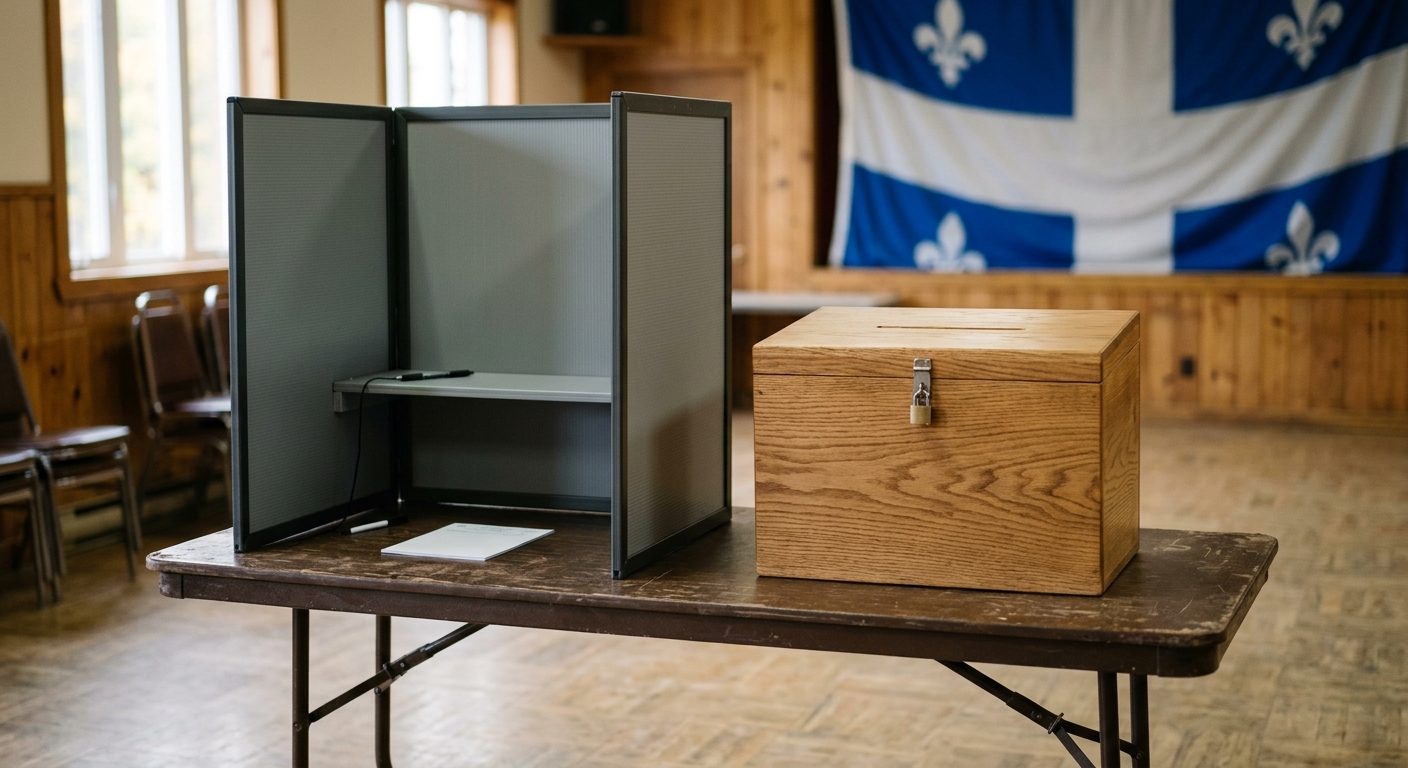
AI-generated illustration; not a photograph of the reported event.
- calendar_today September 24, 2026
The Parti Québécois (PQ) has announced that it will proceed with a quebec referendum on independence, even as the majority of Quebec residents remain opposed to such a move. The latest Qc125 projections indicate that 69% of Quebecers do not support quebec sovereignty, yet the PQ’s leadership insists the referendum plans are unwavering. This development adds new tension to Quebec politics as the province readies for the provincial election on October 5.
PQ’s Referendum Plans Ignite Regional Debate
On Wednesday, PQ leader Paul St-Pierre Plamondon reaffirmed the party’s intention to initiate a sovereignty vote following the Quebec election, regardless of the mandate size. Even if the PQ secures only a minority government, St-Pierre Plamondon emphasized that preparations for the independence referendum would start without delay.
Public Opposition Evident in Polls
According to current Qc125 projections, support for Quebec leaving Canada remains low. The recent survey found that nearly seven in ten Quebec residents oppose the idea of provincial separation. This widespread public opposition comes despite a longstanding debate over quebec sovereignty and two previous failed referendums in 1980 and 1995. Nonetheless, the Parti Québécois remains steadfast in placing the sovereignty question back on the provincial agenda.
Party Platform and Electoral Strategy
The decision to pursue the quebec referendum is seen as a central plank of the Parti Québécois platform. By committing to a sovereignty vote regardless of electoral outcome, the PQ differentiates itself from other regional parties, reinforcing its separatist roots. Analysts suggest that this move may risk deepening divisions within the province, as some residents express concern over renewed polarization in Quebec politics.
Potential Minority Government Looms
Forecasts from the latest polls suggest the PQ is on track for a minority government after the October 5 vote. In such a scenario, advancing a sovereignty vote without broad legislative backing would likely encounter procedural hurdles, but the party has signaled its determination to press ahead. This has prompted questions about democratic legitimacy and the will of the electorate, especially in a diverse region such as Quebec.
Political Reactions Across Quebec
As details of the referendum plans spread, political stakeholders across Quebec reacted with a mixture of apprehension and resolve. Opponents argue that holding a quebec referendum against a backdrop of strong public resistance undermines consensus and risks detracting from other pressing issues. Supporters, on the other hand, contend that the province has a right to revisit the sovereignty debate under new leadership, particularly with Paul St-Pierre Plamondon at the helm of the Parti Québécois.
What Lies Ahead for Quebec
The potential for a third referendum keeps the question of quebec sovereignty at the forefront of public discourse in the region. Residents, political observers, and institutions across Quebec will be watching developments closely as election day approaches. Whatever the outcome for the quebec referendum, the conversation promises to shape the future of Quebec politics and its relationship with Canada for years to come.