
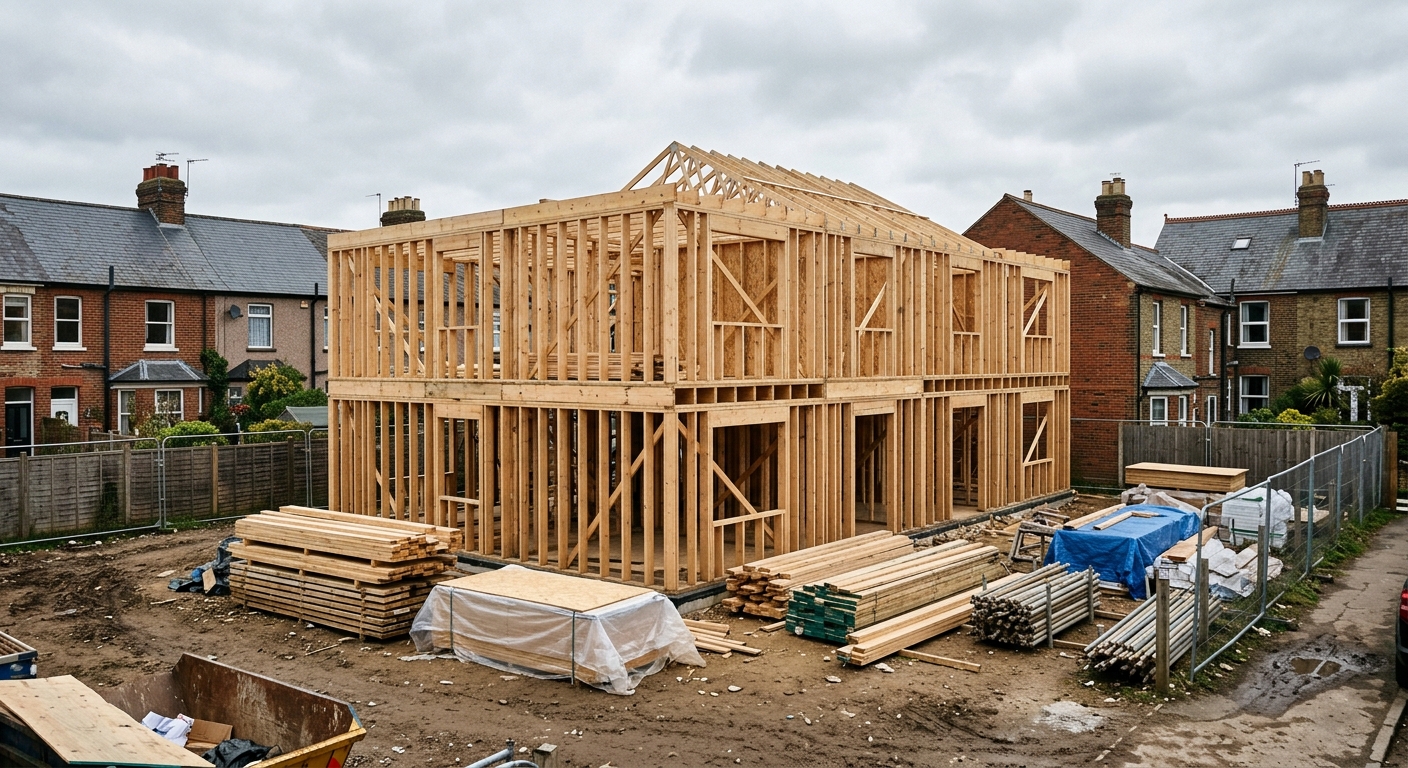
AI-generated illustration; not a photograph of the reported event.
- calendar_today October 19, 2026
Significant September Drop in Québec Housing Starts
Québec saw a steep fall in its seasonally adjusted annual rate of housing starts in September, with a 20.3% decrease to 53,320 units. This figure, published by the Institut de la statistique du Québec on October 16, 2026, is based on data from the Canada Mortgage and Housing Corporation (CMHC).
Recent Fluctuations in Provincial Housing Development
The September decline amounts to a drop of 13,583 annualized units and follows a 5.5% decrease reported in August and a substantial 32.2% increase in July. This pattern of rapid shifts highlights the month-to-month volatility in housing starts, an issue often influenced by the commencement of large multi-unit projects.
Year-to-Date Perspective Provides Additional Insight
Though the September decline is notable, the broader trend provides additional context. For the first nine months of 2026, Québec's average seasonally adjusted annual rate has been 60,063 units. This marks an increase of 1.7% over the same period in 2025, indicating that, despite monthly swings, the overall housing development pace has remained relatively stable and slightly upward for the year to date.
Comparisons to Canadian National Housing Trends
Across Canada, the seasonally adjusted annual rate for housing starts rose 2.8% in September, reaching 248,896 units. However, the national average from January through September 2026 was 247,516 units, a decrease of 4.6% compared to the previous year. These differences underscore the regional variability within the broader Canada housing trends.
Understanding Housing Starts Data
It's important to note that the housing starts figures referenced are annualized and adjusted for seasonal patterns. They are not counts of actual homes completed each month, but instead provide a projection of annual activity based on observed monthly starts. This method helps to smooth out seasonal effects and offers a more consistent measure of housing market activity. Large projects, such as new multi-unit developments, can cause sharp monthly shifts when construction begins.
Contextualizing the Québec Real Estate Movement
The volatility seen in Québec's monthly housing starts is not uncommon within the real estate market, particularly given the considerable impact of sizable housing development initiatives. Yet, the modest year-to-date increase demonstrates some resilience in the provincial housing market, despite short-term fluctuations. Stakeholders and observers will continue to monitor these trends as both provincial and national housing starts play a key role in understanding the trajectory of the quebec real estate landscape.
Source: westislandblog.com.