
- calendar_today August 10, 2025
Introduction
The recent rally in Dow Jones futures has attracted a huge amount of interest from investors in Quebec, after a comment by ex-President Donald Trump on the potential change in less stringent U.S. tariff policies. As highly as the financial markets react positively to such indications, Quebec entrepreneurs and investors are eagerly watching how such changes are bound to influence the province’s diversified and economically integrated economy. With technology, aerospace, and manufacturing being the cornerstones of Quebec’s economy, the possibility of tariff reduction presents an intriguing expansion opportunity.
Trump Tariff Flip Spooks Market Confidence
Trump indicated a policy shift in a recent address towards a more lenient approach on tariffs, and this has encouraged increased market confidence. Dow Jones futures responded positively to the news, as they showed renewed confidence in the possibility of future trade.
For Quebec—a very trade-integrated province—this is particularly relevant news. The province’s economy, firmly established in the global marketplace, anticipates dramatic changes in the event of such tariff reductions becoming a reality. With lower operating expenses or exposure to better marketplaces, Quebec industries stand to benefit and investors await the chance to determine how these events will affect the province’s economic context in general.
Major Quebec Industries Affected by Tariff Changes
The economy of Quebec is extremely diversified with many key industries heavily dependent on value chains and foreign trade. Some of the key industries that are most exposed to changes in tariff policies are agriculture, manufacturing, technology, and aerospace. Some of the major sectors that would benefit from any potential easing of trade barriers are as follows:
Aerospace and Manufacturing
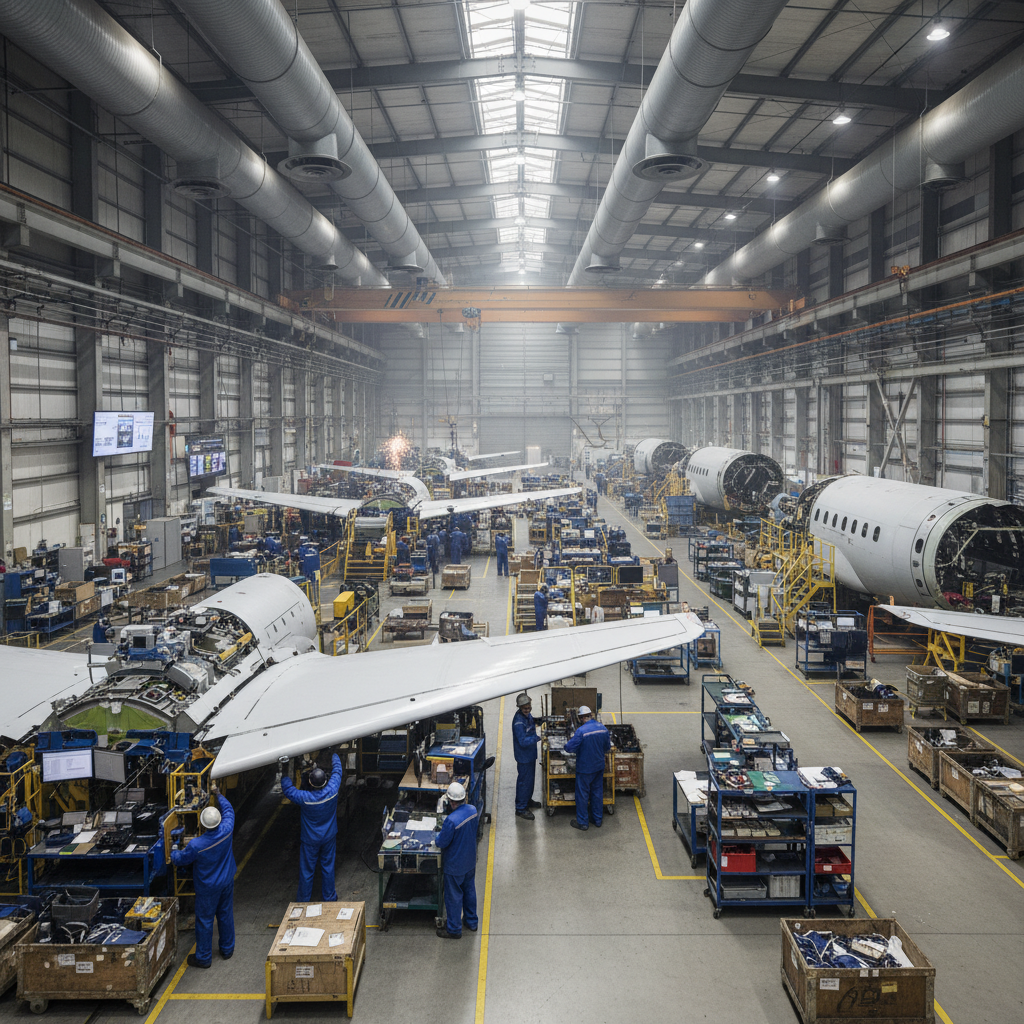
Quebec’s aerospace industry is one of the largest globally and is a considerable driver of provincial economic activity. The industry heavily depends on international supply chains to supply inputs and components. A reduction in tariffs charged on such inputs, hence, would translate into lower operation costs for Quebec’s aerospace companies. Lower tariffs would also make the transport of goods easier across borders, allowing manufacturers to become more competitive to maintain market share in the global economy.
Technology and Innovation
The technology sector of Quebec has been growing over the past few years, with the city of Montreal being particularly a hub of technological innovation. The sector, encompassing a wide array of sectors like artificial intelligence (AI), software coding, and telecommunications, would stand to benefit immensely with reduced tariffs on electronic components and software infrastructure.
Agriculture and Export Goods
Quebec’s agricultural industry, which sells countless items like dairy, maple syrup, and grain, also gains from reduced tariffs. Quebec is a large exporter of these commodities, and reductions in trade would make foreign markets more accessible to Quebec farmers and producers. Reduced trade barriers would lower the price of delivery, maybe making Quebec farm produce cheaper overseas.
Economic Implications for Quebec’s Market
If Trump’s tariff room to maneuver words actually becomes real policy changes, Quebec’s economy might gain some critical benefits. A few of the most crucial economic consequences to the province are identified below:
Decreased Operating Expenses
For manufacturing and aerospace industries, lower tariffs would reduce the cost of importing vital raw materials, components, and technology. The cost reduction would be transferred directly to manufacturers, allowing them to reduce their operating costs and widen their margins. The cost savings could also spur additional investment in future expansion and development.
Improved Global Competitiveness
With relaxed trade barriers, Quebec farmers, technology firms, and aircraft makers would be able to penetrate more foreign markets. This would enable them to compete on a stronger platform at the global level. Whether for exporting aviation goods or technology solutions, Quebec companies would be in a position to enhance their global footprint, resulting in higher revenues and continued growth.
Consumer Savings
Quebec consumers also stand to gain from lower tariffs on imports. Lower cost of importing goods ranging from electronics to fashion would translate to lower prices at the consumer level that contribute to local consumer spending power. This can boost demand across a variety of industries, such as consumer goods and retail.
As a whole, Quebec’s economy stands to gain with the shift in tariff policy, particularly in aerospace, technology, and the agriculture sector. Lifting trade restrictions has the potential to make Quebec more of a powerhouse on the global stage, reduce costs of doing business, and stimulate consumption. Dow Jones futures having forecasted optimism, the Quebec industries are poised for perhaps a revolutionizing phase in Quebec’s economic development.