
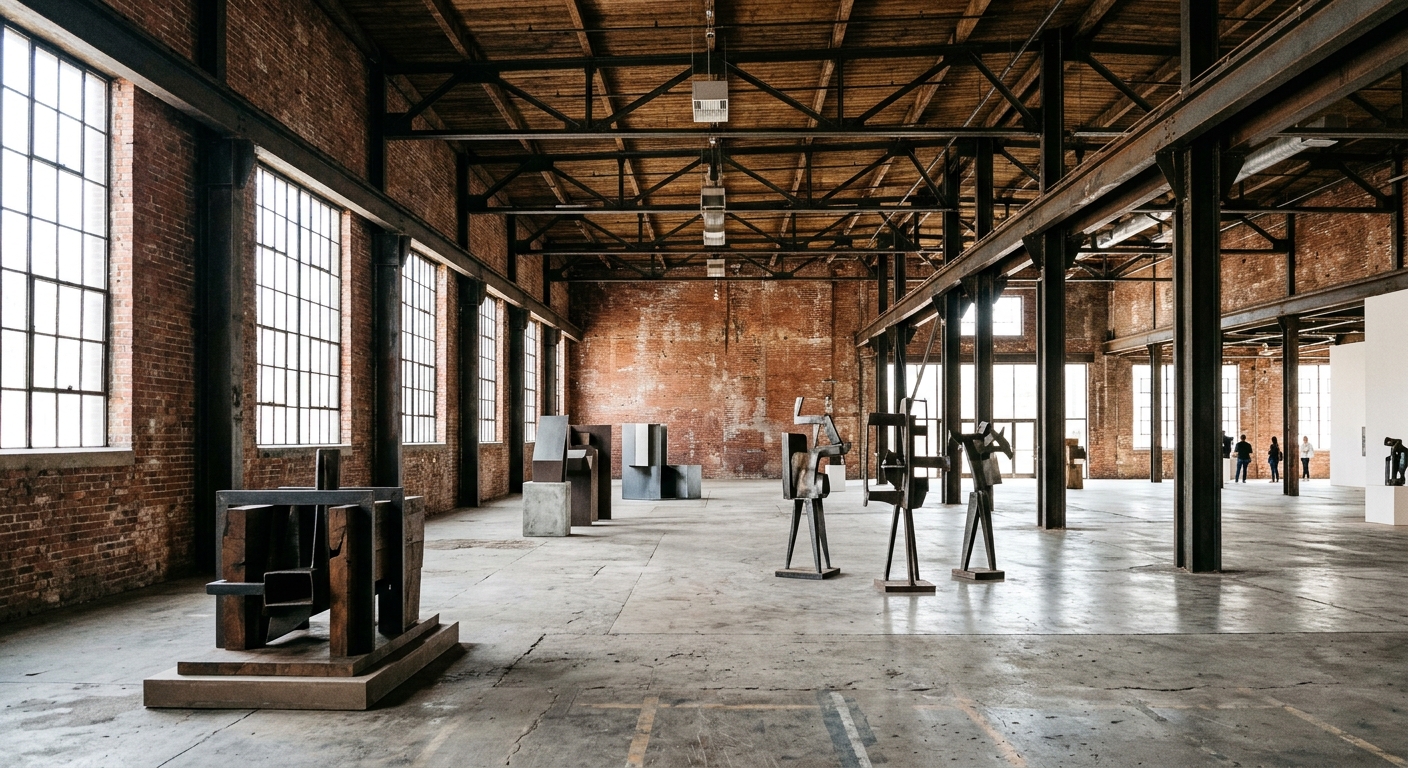
AI-generated illustration; not a photograph of the reported event.
- calendar_today October 21, 2026
Exploring Montreal’s Overlooked Cultural Attractions
Montreal’s reputation as a culturally vibrant city is well-established, but many visitors focus on the main hubs like the Museum of Fine Arts and Old Montreal. However, the city’s true character often emerges in less conventional places: unique museums, repurposed religious sites, and striking structures from international events. These unusual cultural spaces often escape the standard tourist path, offering a richer perspective on montreal culture for those willing to look beyond the obvious.
The Musée des ondes Emile Berliner: Sound and Industry in Saint-Henri
Located at 1001 Lenoir Street, the Musée des ondes Emile Berliner sits apart from Montreal's downtown museum district. Admission is $15, and visitors can explore the collection on Thursdays from 10 a.m. to 3 p.m. The museum is dedicated to recorded sound, broadcasting, and the industrial history connected to Emile Berliner, a key figure whose gramophone innovations shaped Montreal’s recording industry. The displays of technical and mechanical artifacts are well-suited to the industrial backdrop of Saint-Henri, creating a distinct sense of place among Montreal’s unique museums.
Le Livart: An Art Center with Deep Roots
Le Livart is a nonprofit art center housed in the former rectory and convent of the Rosary and St. Jude Shrine on Saint-Denis Street. Opening to the public in 2016, it now comprises a gallery, artist studios, art school, event spaces, and a boutique. The institution honors its history; the architecture’s original function remains visible, lending extra character to its programming. From September 24 to November 1, 2026, Jeanie Riddle’s exhibit, This World of Shapes, will incorporate paintings, sculptures, installations, and found domestic objects in an exploration of home and space—perfect for those interested in historic buildings and innovative art centers.
Casino de Montréal: A Living Piece of Expo 67 Architecture
Much of Expo 67 architecture endures in Montreal, most notably at the Casino de Montréal. This bustling casino occupies the former French pavilion, later joined by the Quebec pavilion, with the casino officially opening on October 9, 1993. After substantial renovations, the French pavilion now features a 14-meter-wide by 21-meter-high multimedia wall. The casino hosts over 3,000 slot machines and 84 gaming tables, but many visitors come just to experience the adaptive reuse of this World’s Fair building—a distinctive inclusion in Montreal’s cultural tourism. Entry is restricted to those 18 and over, and visitors are encouraged to view casino games as entertainment, not as a sure bet.
Fonderie Darling: An Industrial Art Institution
The Fonderie Darling remains true to its industrial origins, retaining the raw atmosphere of its foundry days. Now, it houses the new Montreal Studios residency (2026–2029), offering eight artists a three-year period of studio access and production support. Current exhibitions by Christopher Varady-Szabo and Shanie Tomassini run from September 17 to November 15, 2026. Admission is $8, with Thursday visits by donation, and the center is open Wednesday through Sunday noon to 7 p.m. The space is a bold example of how art centers can invigorate former industrial buildings.
The Société des arts technologiques and Its Immersive Dome
Since 1996, the Société des arts technologiques has been a driver of digital culture in Montreal. Its standout feature, the Satosphere dome, spans 18 meters in diameter and rises 11.5 meters high. The dome uses eight video projectors and an advanced spatial-audio setup to enclose the audience in multimedia works. From October 20 to November 14, 2026, it hosts Formation Obligatoire, a satirical take on corporate culture using programmed imagery and sound. This venue redefines interactive exhibits and challenges traditional modes of viewing.
La Cinémathèque québécoise: A Living Film Archive
La Cinémathèque québécoise does more than preserve films—its programming offers glimpses into Quebec, Canadian, and international animation history. On October 15, 2026, screenings include Jim Queen and 6 Neorealist Portraits. Additionally, from October 6 to December 8, the exhibition The Cinematic Life of Montreal: Photos by Bruno Massenet (1967) is on display. For those already familiar with the main montreal museums, a visit here provides a more nuanced understanding of the city’s cinematic past.
Source: cultmtl.com.