
- calendar_today August 31, 2025
WhatsApp has finally introduced ads. The app, which has long promised to be free from commercial intrusion, has finally found a way to let its users see ads in its product. For the first time since 2009, when the app launched, the most popular messaging app in the world will show ads to its users. But it won’t be displayed in your personal conversations. (At least not yet.)
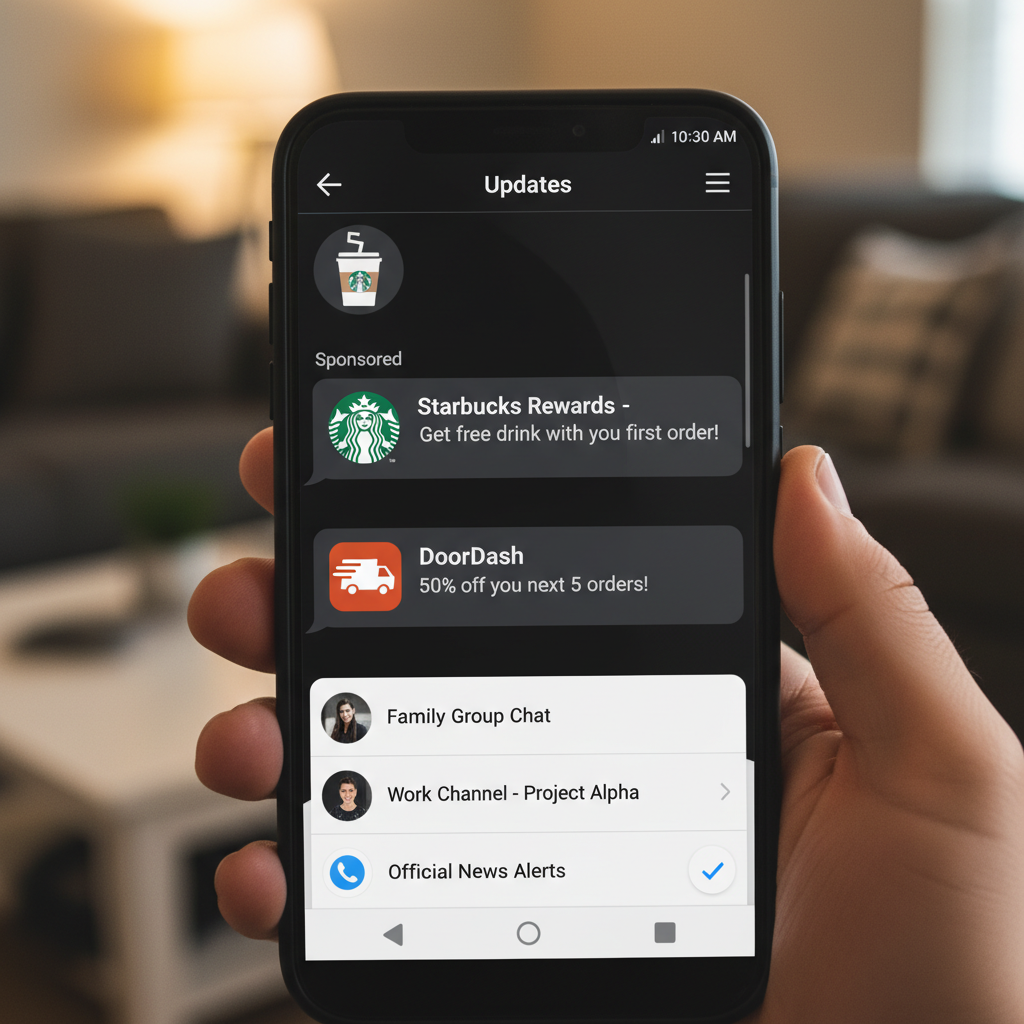
The ads are launching slowly, and will be limited to a part of the app called Updates. That’s where users can share their temporary statuses and follow interest-based Channels. Meta, the parent company of WhatsApp, says that users’ private chats won’t be affected and will remain ad-free.
If you’re the type of person that uses WhatsApp just to chat with friends or join group chats, you may not even notice the change. But if you’re someone who checks the Updates tab frequently, you may start to notice things getting a bit more commercial.
Meta says that more than 1.5 billion people visit the Updates tab every day. That’s a big audience — one that advertisers are sure to want to reach. Still, the company is rolling this out slowly.
Ads in Status, Promoted Channels, and Paid Subscriptions
So, what does this mean for you? Well, what exactly are these ads?
There are three new ad formats. First, there are ads in Status. These will show up alongside your friends’ 24-hour disappearing stories — the same way that Instagram Stories have ads. When scrolling through your friends’ statuses, you may now see a photo, video, or message from a brand or company. You can also respond to these ads, starting a conversation with the advertiser.
Second, there are Promoted Channels. This lets channel admins and businesses boost their content inside the app. Promoted channels will show up more often, letting them grow their following within WhatsApp — without relying on another platform.
Third, and most interestingly, there are paid subscriptions. Businesses and creators can now charge for exclusive content within the app. Say you follow a cooking channel. You can now pay a monthly fee to get access to recipes or exclusive early content drops. It’s a new way for businesses to make money — and a new way for WhatsApp to make money too.
That last part is important. Until now, WhatsApp has made most of its money from its Business Platform — a paid service that lets companies communicate with their customers — and through click-to-WhatsApp ads on Facebook and Instagram. Meta CEO Mark Zuckerberg has said that the company wants to go further, though. In an investor call earlier this year, he said that the Business Platform was growing — but that there’s more room for growth.
This new move is part of that broader effort.
WhatsApp’s VP of Product Alice Newton Rex called it the “next natural evolution.” She said that businesses have been asking for more tools to grow their audience within WhatsApp, and that this ad rollout is a direct response to that request.
This all sounds scary — and understandable. Meta is introducing ads to a platform that is well known for its privacy. But, as Meta emphasizes, it’s doing so carefully. These ads won’t be based on content from your chats. Instead, targeting will be based on general information, like age, country code, language settings, and general location (your city, not your exact address). WhatsApp will also take into account how users are using the Updates tab — like which Channels they follow and what types of content they engage with.
You can also connect your WhatsApp account to Meta’s Accounts Center — an optional setting that makes it possible to see more personalized ads based on activity across Facebook, Instagram, and other Meta services. This setting is off by default and can be turned off at any time.
WhatsApp is also adding in more transparency. You’ll be able to see why you’re seeing a specific ad, hide ads from certain advertisers, or report ads that you think are inappropriate. The company says that it’s trying to keep the whole thing as user-controlled as possible.
But, it shouldn’t come as a surprise. With Meta making 98% of its money from advertising, and having bought WhatsApp in 2014 for $16 billion, it was only a matter of time before the platform was used to drive more ad dollars.
And, it’s not just Meta. Discord is rolling out ads in 2024. Reddit has also grown its ad business dramatically, recently announcing its first profit ever. In an uncertain economy, even platforms built on community and privacy are finding ways to drive more ad dollars.
For now, it won’t affect many WhatsApp users. But, it’s the start of a new era for the app. Ads have arrived — and while they may be limited to the Updates tab for now, it’s clear that Meta is laying the groundwork for something much bigger.