
- calendar_today August 26, 2025
How Dow Jones Futures Influence Quebec’s Market Direction
While based on U.S. equities, Dow Jones Futures play a significant role in shaping market expectations in Quebec. From institutional investors in Montreal to manufacturers in Laval and energy firms in Saguenay, economic players across the province closely monitor U.S. market indicators to gauge upcoming shifts. In 2025, as global volatility lingers and monetary policy continues to evolve, Dow Futures serve as a vital early read on investor sentiment and risk appetite—both of which directly influence Quebec’s trade-reliant economy.
Quebec’s Economic Setting in 2025
Quebec starts the year navigating modest growth, rising costs, and regional industry transitions. While job creation has remained stable, high inflation and cautious consumer behavior are pressuring retail and housing activity.
- Quebec’s GDP is forecasted to grow between 1.3% and 1.7% in 2025, slightly below the national average.
- Inflation remains elevated, especially in housing, energy, and services, with provincial CPI estimates ranging from 3.1% to 3.4%.
- Real estate activity in Montreal has cooled under high borrowing costs, while industrial demand in cities like Quebec City and Sherbrooke remains resilient.
U.S. Federal Reserve Moves Reverberate in Quebec
As a highly export-oriented province with strong trade ties to the U.S. and Europe, Quebec’s economic momentum often mirrors global policy shifts—especially those from the U.S. Federal Reserve.
- The U.S. Fed Funds Rate remains between 4.25% and 4.50%, with potential for a rate cut by September.
- A U.S. rate cut could influence the Bank of Canada to follow, potentially lowering borrowing costs for Quebec businesses and homeowners.
- Interest rate differentials also affect the Canadian dollar, which in turn impacts Quebec’s export competitiveness in industries like aerospace and aluminum.
Global Trade Tensions Add Pressure to Export-Heavy Sectors
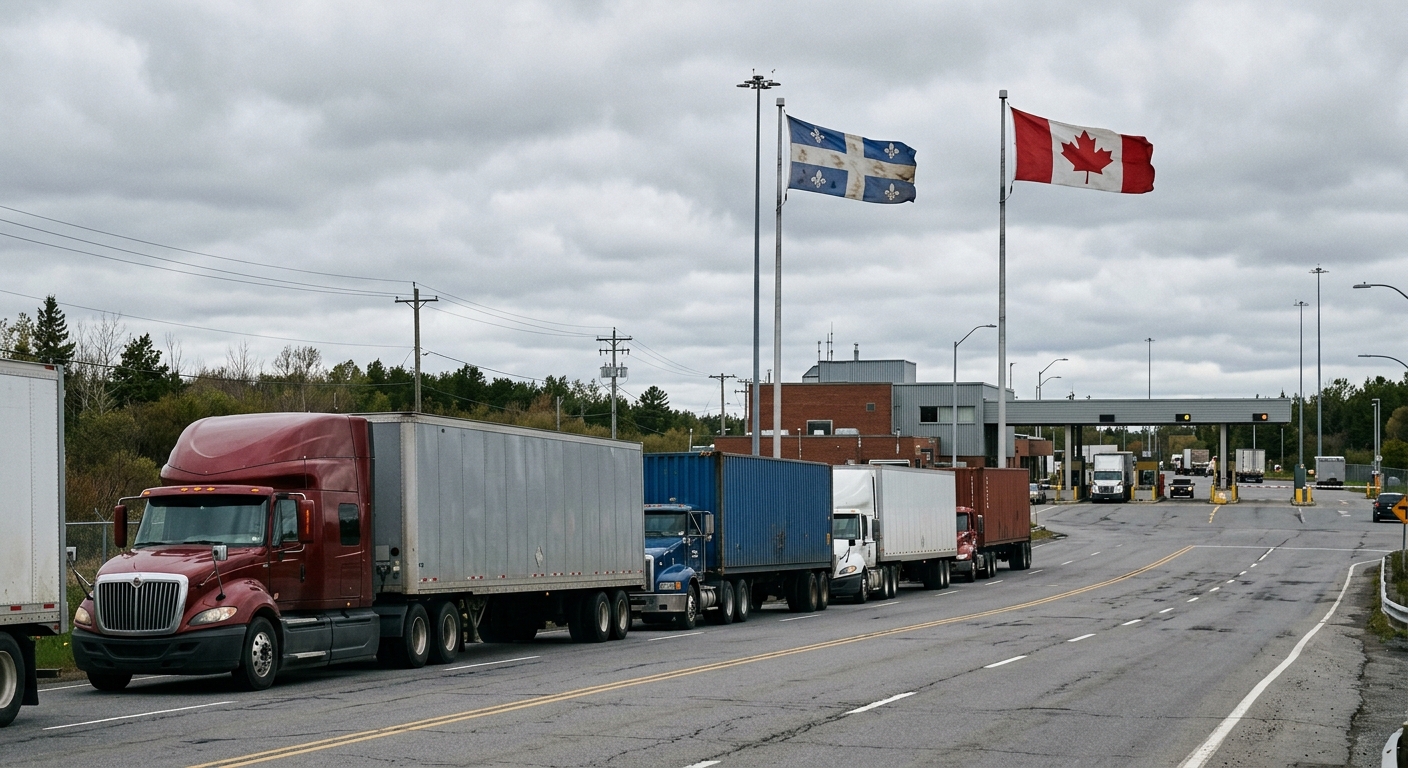
Quebec’s manufacturing base, particularly in aerospace, aluminum, and agri-food, is deeply tied to international trade. Any disruptions reflected in Dow Futures—such as tariff announcements or geopolitical unrest—can create ripple effects for local companies.
- U.S. tariffs on Chinese and Brazilian goods (effective July 2025) have complicated cross-border trade and raised input costs for Quebec manufacturers.
- A slower Chinese recovery has weakened global demand for metals, directly impacting Quebec’s aluminum industry.
- Global oil price volatility, driven by Middle East tensions, is increasing operating costs across sectors, including transportation and heavy industry.
Sector Performance: Aerospace, Clean Energy, and Tech
Quebec’s economy features a unique blend of high-tech innovation, clean energy infrastructure, and traditional manufacturing—all of which are responding differently to 2025’s economic environment.
- Aerospace, led by major firms like Bombardier and Pratt & Whitney Canada, continues to rebound with support from U.S. defense and commercial aircraft demand.
- Clean energy, including hydroelectric and emerging battery tech, is attracting regional investment and cross-border partnerships, especially as the U.S. increases its green transition spending.
- Technology clusters in Montreal are expanding, with AI and software development benefiting from capital inflows tied to U.S. tech momentum.
Investor Sentiment: Quebec’s Position in a Shifting Market
In Quebec, investor sentiment in 2025 remains watchful. While institutional investors are cautiously optimistic, retail investors are leaning defensive amid cost pressures and mixed earnings reports.
- The U.S. AAII Sentiment Survey shows optimism hovering near 45%, and Quebec-based fund managers are closely tracking these signals for portfolio alignment.
- Canadian ETF flows indicate growing interest in dividend-paying equities, infrastructure, and low-volatility strategies.
- Market participation remains steady, though high volatility in U.S. indices has kept many Quebec investors on the sidelines or favoring tactical exposure.
7 Key Dow Futures Insights for Quebec in 2025
As Quebec investors position for the rest of the year, these predictive insights will shape how portfolios respond to evolving market conditions. Futures traders across the region should be ready for continued shifts.
- Market swings tied to trade tensions or Fed decisions could lead to ±1–2% intraday futures movements, affecting Quebec stocks and cross-listed firms.
- A likely Fed rate cut in Q3 may prompt the Bank of Canada to ease policy, creating opportunities in housing, construction, and capital-intensive projects.
- Tariff inflation and global supply issues could strain Quebec’s manufacturing and logistics sectors.
- Sector divergence remains: aerospace and clean tech show strength, while consumer goods and transportation face tighter margins.
- A strong Canadian dollar, if driven by U.S. policy shifts, may reduce export margins for Quebec producers.
- Labor market resilience, especially in high-skill sectors, supports regional growth but risks wage-driven inflation.
- Investor reactions will hinge on earnings, inflation prints, and central bank language, with Dow Futures remaining a key leading indicator.
Strategic Considerations for Quebec Investors
To navigate the current cycle, Quebec-based investors should prioritize a globally aware but regionally tailored approach.
- Consider sectors with durable demand and export advantage, like aerospace, AI, and green infrastructure.
- Use Dow Futures and index-based instruments to hedge macro risk or exploit sector rotation trends.
- Stay informed on U.S. economic releases and policy decisions to anticipate currency and trade shifts.
Quebec’s Investment Outlook in a Globalized Landscape
In 2025, Quebec’s economic prospects are closely tied to broader market forces—many of which are anticipated and priced in through Dow Jones Futures. With global inflation, energy shocks, and trade tensions continuing to shape sentiment, local investors must remain adaptable. Those who align with the province’s structural strengths while monitoring global indicators will be better positioned as the next phase of the market unfolds.