
- calendar_today July 27, 2026
A new study from the Angus Reid Institute indicates strong support for counter tariffs among citizens in Quebec, as well as across Canada, in the wake of growing US-Canada trade tensions. The report, released this week, comes as discussions over rising us tariffs against Canadian goods fuel debate in political and economic circles across the region.
Majority Endorse Canadian Counter Tariffs
The study reveals that a significant portion of Canadians, including those in Quebec, endorse the use of canadian counter tariffs to respond to proposed U.S. import fees. According to the survey conducted among 1,790 Canadian adults between July 23 and 25, 2026, approximately 62% of respondents nationwide support the introduction of canadian tariffs designed to mirror or retaliate against the potential 50% duties proposed by the United States. The data show particularly robust support among Liberal (79%), NDP (76%), and Bloc Québécois (73%) voters, reflecting a broad consensus among center-left and sovereigntist parties in Quebec. Conservative voters were less supportive, with only 43% expressing approval.
Political Dynamics Reflect Quebec’s Position
Political response within Quebec aligns closely with national findings. The Bloc Québécois, representing the province’s interests in Ottawa, advocates strongly for vigorous action in the ongoing tariff dispute. The study underscores the level of political support in Quebec for a robust government stance, especially as the prospect of a trade war threatens regional jobs and industries vital to the province’s economy.
US-Canada Trade Relations at a Crossroads
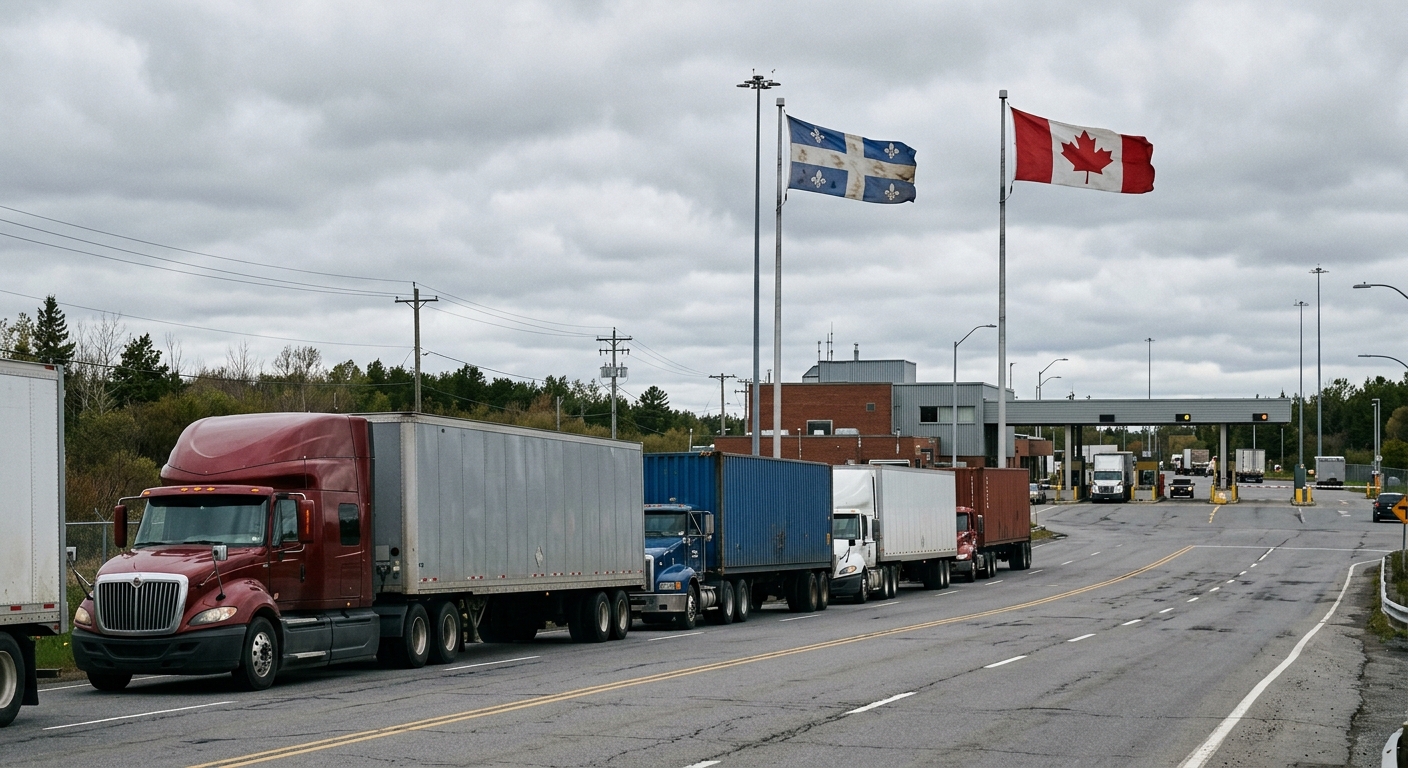
Tensions surged when U.S. President Donald Trump proposed substantial tariffs on a variety of Canadian products, some of which currently enjoy tariff-free status under the Canada-United States-Mexico Agreement (CUSMA). In Quebec, sectors such as agriculture, manufacturing, and minerals are particularly sensitive to these threats, further elevating support for export restrictions as a form of leverage. Local officials and industry leaders have warned that unresolved disputes could disrupt regional supply chains and strain longstanding cross-border partnerships.
Federal and Provincial Government Response
Prime Minister Mark Carney has stressed the importance of intensified trade negotiations, signaling a dual approach of diplomatic outreach combined with preparedness for decisive retaliatory action if us tariffs come into force. In addition to the federal strategy, provincial leaders voice diverse perspectives. Ontario Premier Doug Ford calls for matching American import duties “dollar for dollar,” while British Columbia Premier David Eby suggests restricting U.S. access to critical Canadian minerals—a stance echoed by many in Quebec. However, leaders in Saskatchewan and Alberta express reluctance regarding export restrictions on natural resources, fearing negative impacts on their regional economies.
Quebec’s Stake in the Trade War
For Quebec’s manufacturers and exporters, the uncertainty around the ongoing trade war intensifies concerns about competitiveness and market access. Local chambers of commerce, as well as labour unions, have urged Ottawa to ensure that any government response protects jobs and preserves the economic stability of communities across the province.
Looking Ahead: Unity and Preparedness
The Angus Reid Institute report highlights that, despite political differences, there is significant consensus throughout Quebec and much of Canada in favor of canadian counter tariffs as a mechanism for defending national and regional interests. As trade negotiations unfold and policymakers consider their next moves, communities across Quebec remain focused on the need for a strategic, pragmatic approach to the evolving tariff dispute. Local leaders continue to emphasize the province’s readiness to support measures that safeguard economic wellbeing and maintain fair us canada trade relations for future generations.