
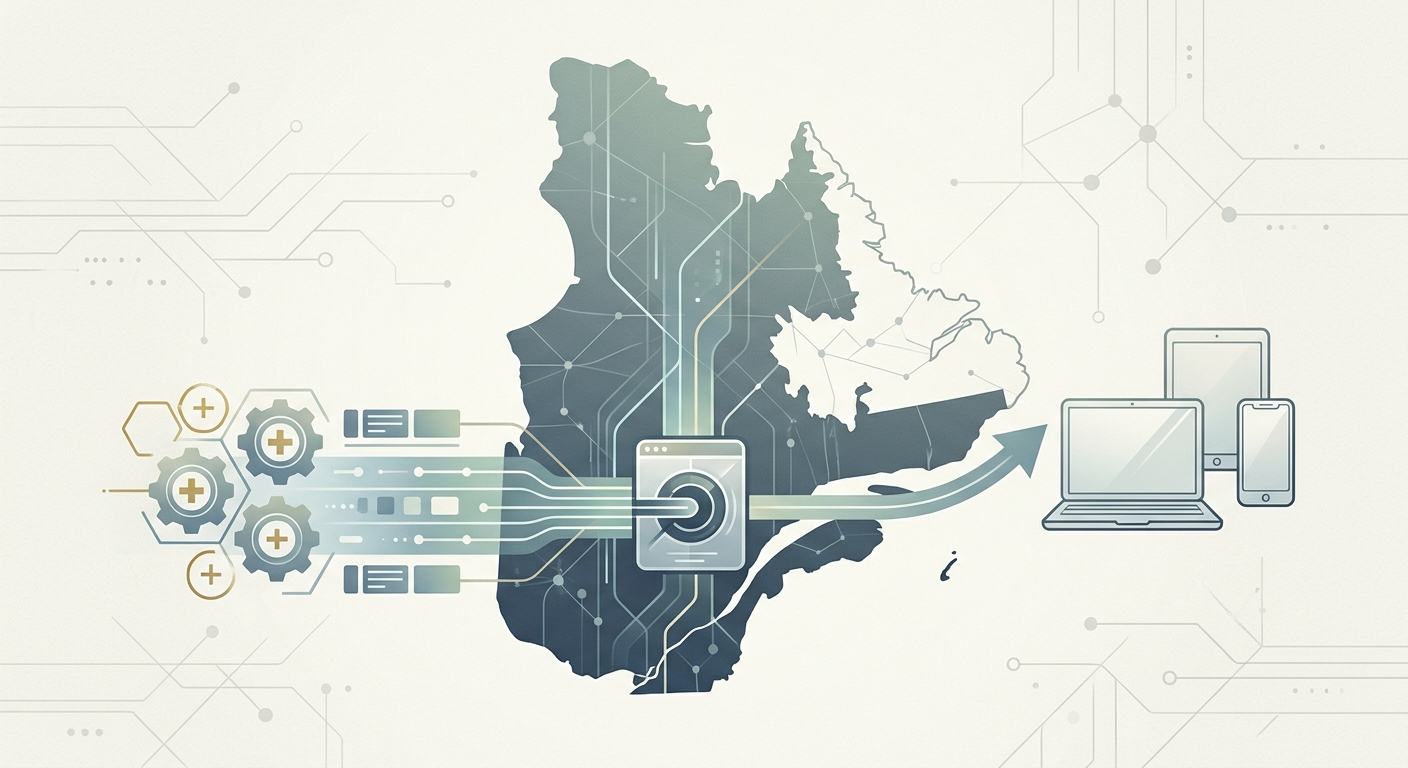
AI-generated illustration; not a photograph of the reported event.
- calendar_today November 3, 2026
The modernization of Quebec’s health service billing systems, spearheaded by the Régie de l’assurance maladie du Québec (RAMQ) in 2016, aimed to create a streamlined and updated framework for managing fee-for-service medical services. This initiative, part of a broader digital transformation, has had notable effects on the recording and accessibility of health information for patients in the province.
A key development since the modernization was a decrease in the entry of diagnostic codes in the fee-for-service medical services file. According to data from the Canadian Chronic Disease Surveillance System (CCDSS), this reduction in code entry has led to a situation where data for 2016–2017 and subsequent years should be "interpreted with caution," with a slight underestimation of the services provided suspected.
This underreporting has downstream implications for the availability and accuracy of health records accessed through online patient portals or digital health services. Because diagnostic and service codes form the backbone of digital health systems—enabling patients to view their health histories and manage appointments—any decrease in their completeness can affect the reliability of online tools that depend on this data. Therefore, while the modernization may have streamlined some administrative processes, it may have also unintentionally limited the detail or completeness of health information available to patients via digital channels in Quebec since 2016.
In summary, while the technological upgrade was designed to modernize access and management of health service records, it introduced gaps in data completeness, potentially affecting the depth and accuracy of the online health service experience for Quebec patients.